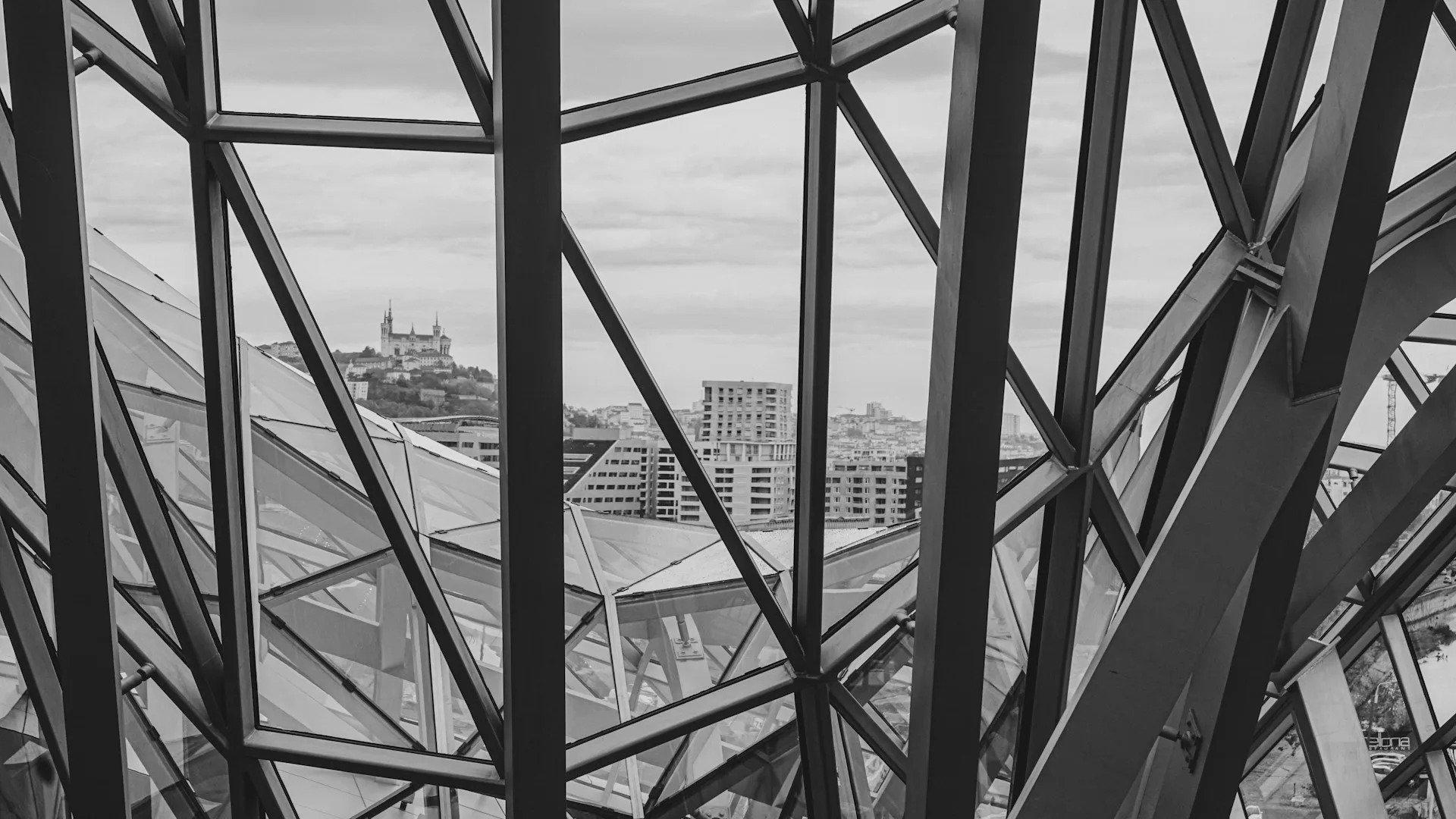
Musée des Confluences
The Musée des Confluences in Lyon is a striking science and anthropology museum renowned for its futuristic architecture and thought-provoking exhibitions at the meeting point of the Rhône and Saône rivers.
The Musée des Confluences stands as one of Lyon’s most ambitious cultural projects, both in its avant-garde architecture and its multidisciplinary approach to knowledge. Situated at the southern tip of the Presqu'île, where the Rhône and Saône rivers meet, the museum’s glass and steel structure is an attraction in itself, symbolizing the merging of ideas and cultures. Inside, visitors are invited to journey through time and space, exploring permanent and temporary exhibitions that weave together natural history, anthropology, and science.
Exhibits range from dinosaur fossils and meteorites to artifacts from ancient civilizations, all curated to provoke questions about humanity’s origins and future. The museum is designed to engage all ages, with interactive displays and immersive storytelling. Its riverside location also offers panoramic views and easy access to walking paths, making it a favorite stop for families, architecture enthusiasts, and curious minds alike.
Visitor Information
| Address | 86 Quai Perrache, 69002 Lyon, France |
|---|---|
| Opening Hours | Typically Tue–Sun, 10:30–18:30; closed Mondays. Check locally for holiday hours. |
| Admission | Adults: approx. €9; reduced rates available. Free for under 18s. Confirm current prices onsite. |
| Accessibility | Wheelchair accessible; services for visitors with reduced mobility. |
| Website | https://www.museedesconfluences.fr |
2001
Project Announced
Plans for a new science and society museum in Lyon are unveiled, aiming to replace the former Musée Guimet.
2003
Construction Begins
Work starts on the striking deconstructivist building designed by Coop Himmelb(l)au.
2014
Official Opening
The Musée des Confluences opens to the public, quickly becoming a landmark of contemporary Lyon.
2020s
Evolving Exhibitions
The museum continues to expand its collections and host internationally acclaimed temporary exhibitions.
Tips
- Arrive early or book tickets online to avoid queues, especially during weekends and school holidays.
- Don’t miss the panoramic terrace for unique views of the Rhône and Saône rivers.
- Audio guides and family activity booklets are available in multiple languages for a richer experience.
Is the museum suitable for children?
Yes, the Musée des Confluences offers interactive exhibits and dedicated family activities, making it engaging for children of all ages.
Can I take photos inside the museum?
Photography is permitted in most areas for personal use, but flash and tripods are not allowed. Some temporary exhibitions may restrict photography.
How do I get to the museum using public transport?
The museum is accessible via tram line T1 (stop: Musée des Confluences) and several bus routes. Check local transit schedules for the latest information.
More places you may like
Related destinations
Discover close-by destinations
Nearby places