Montpellier
Vie medievali, piazze illuminate dal sole e fascino mediterraneo
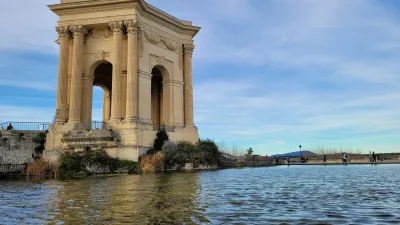
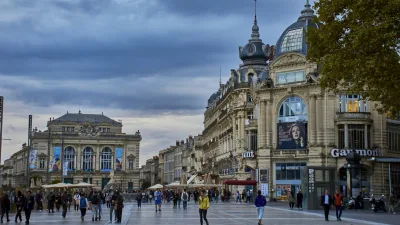
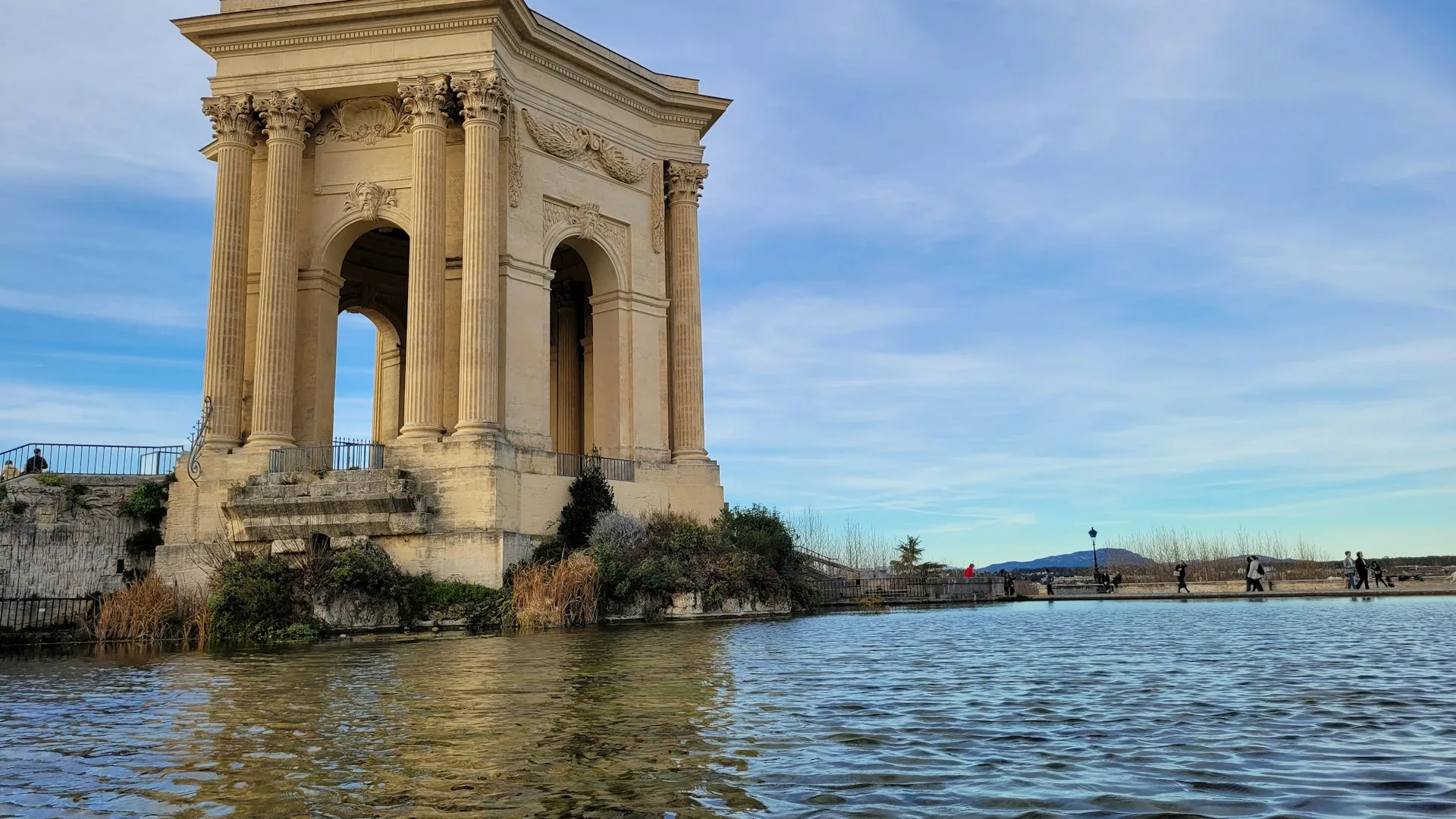
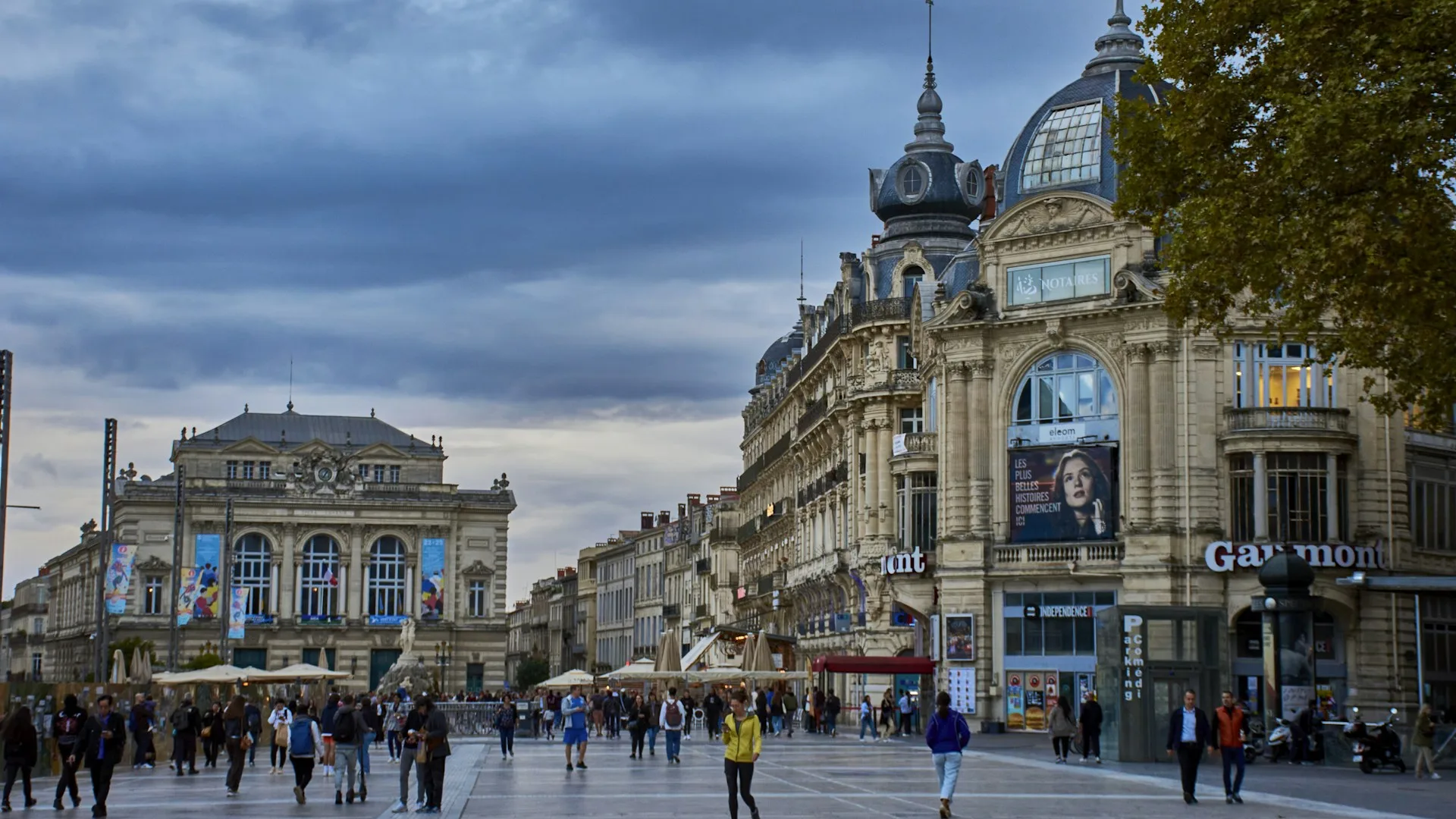
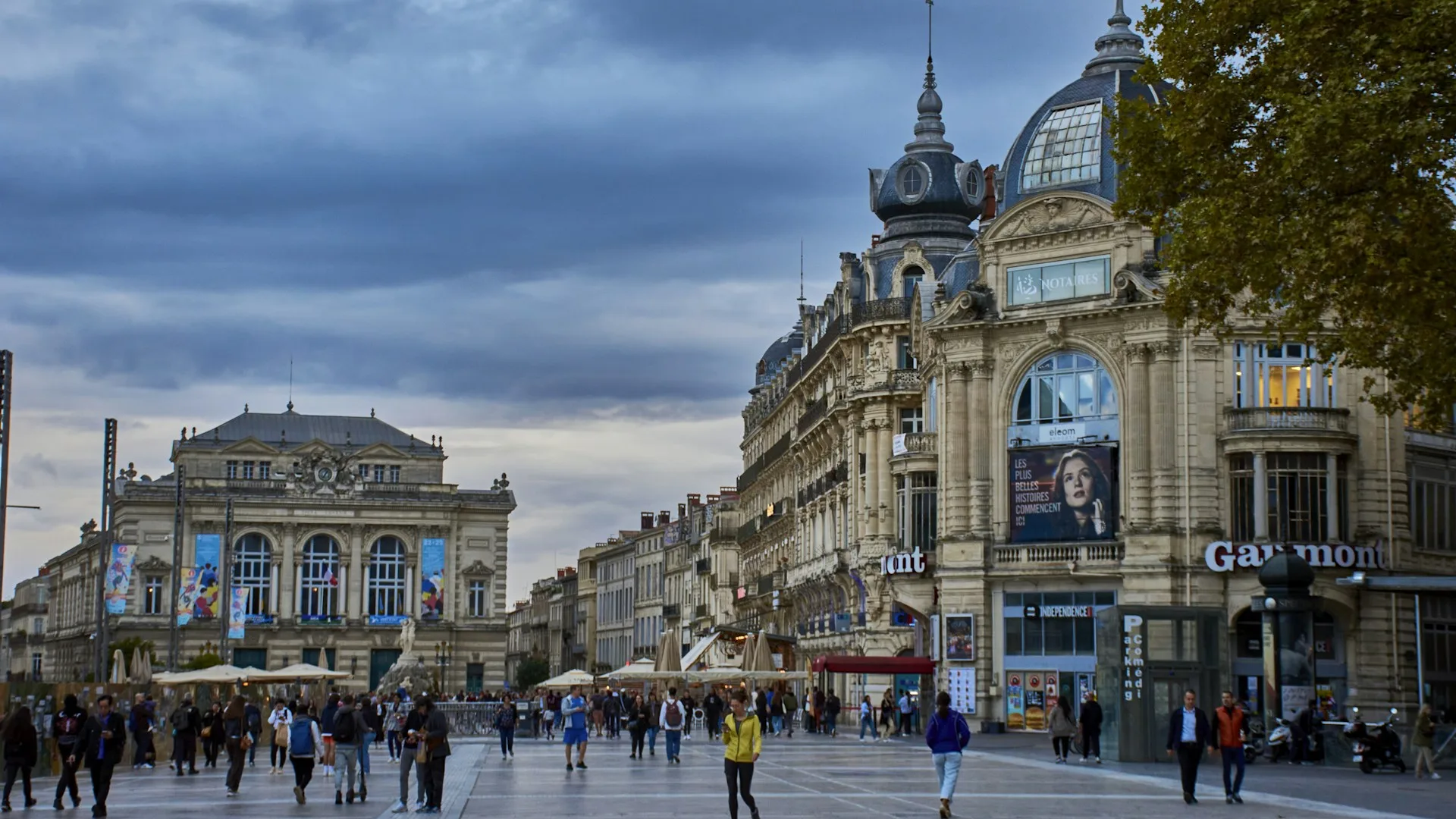
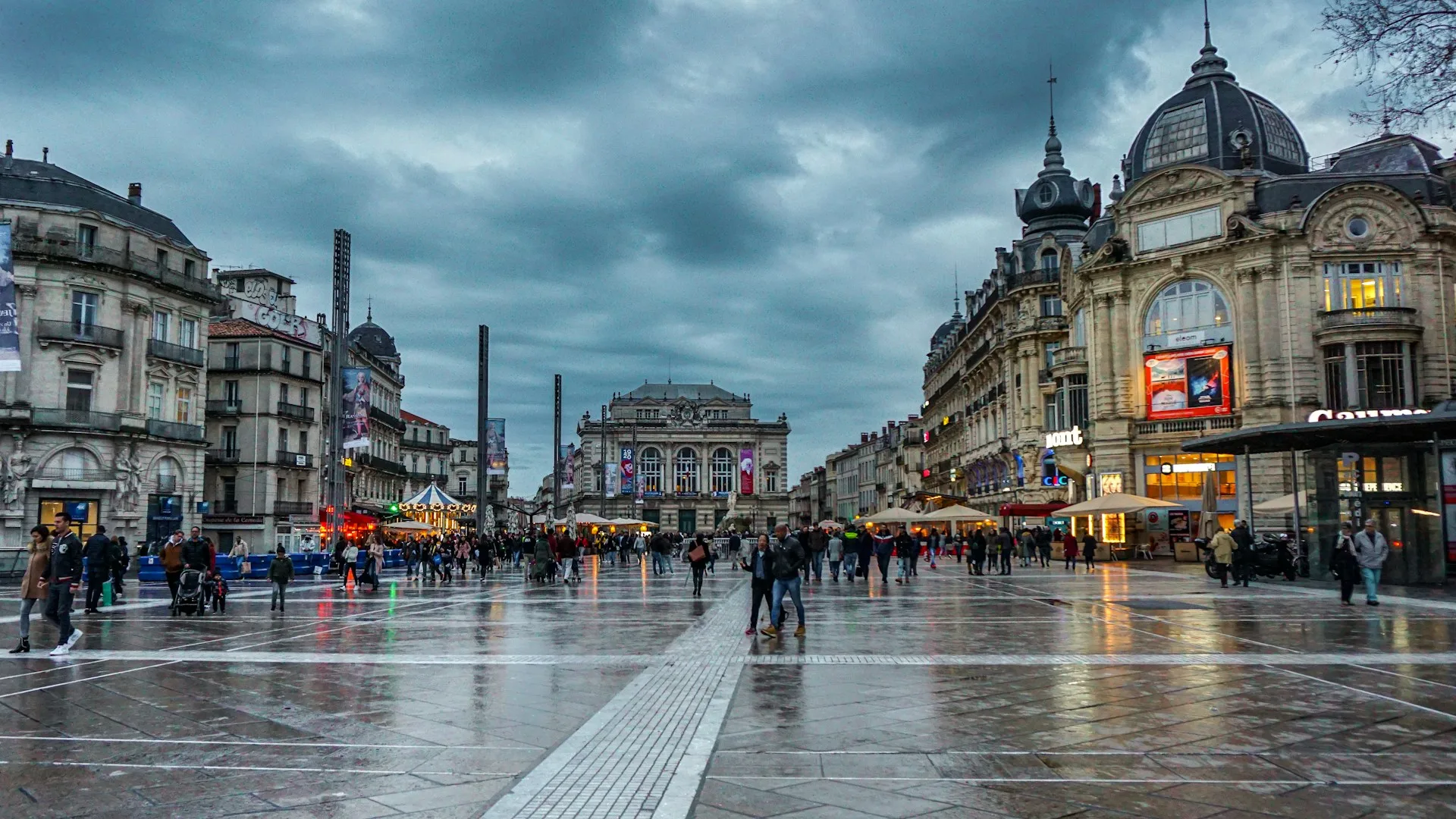
Montpellier è una città affascinante dove la storia secolare incontra uno spirito giovane e cosmopolita. Passeggia per le vie labirintiche dell'Écusson (il centro storico) per ammirare grandi dimore, vivaci murales e l'iconica Place de la Comédie, il cuore pulsante della città. Il nucleo storico di Montpellier è costellato di gemme architettoniche come la Cattedrale di Saint-Pierre e la Promenade du Peyrou, ispirata agli acquedotti, che offrono uno sguardo sul ricco passato della città.
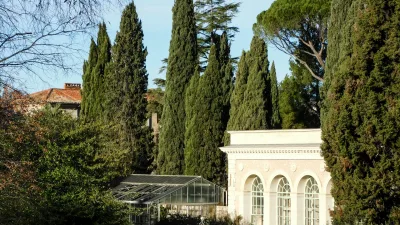
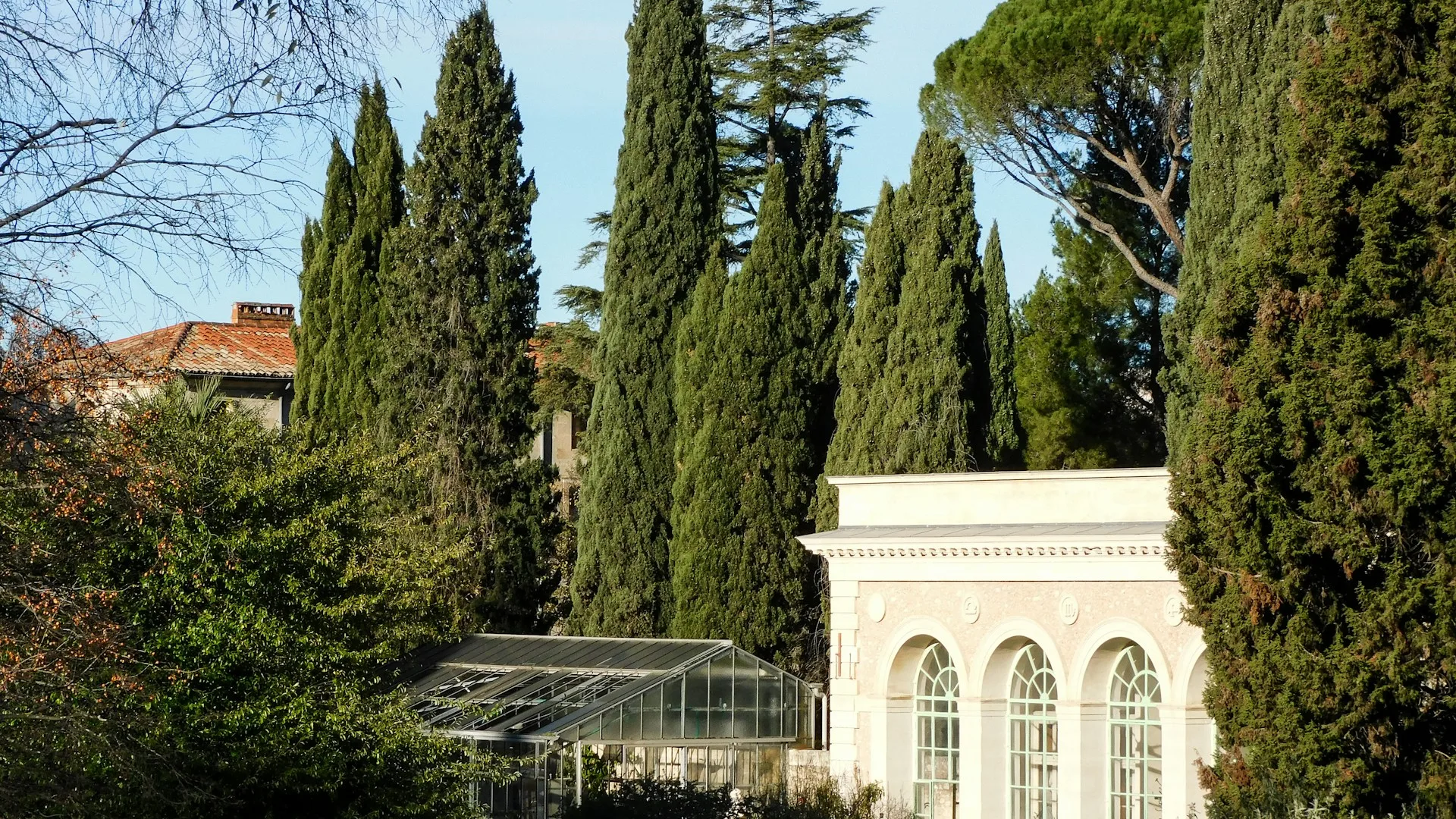
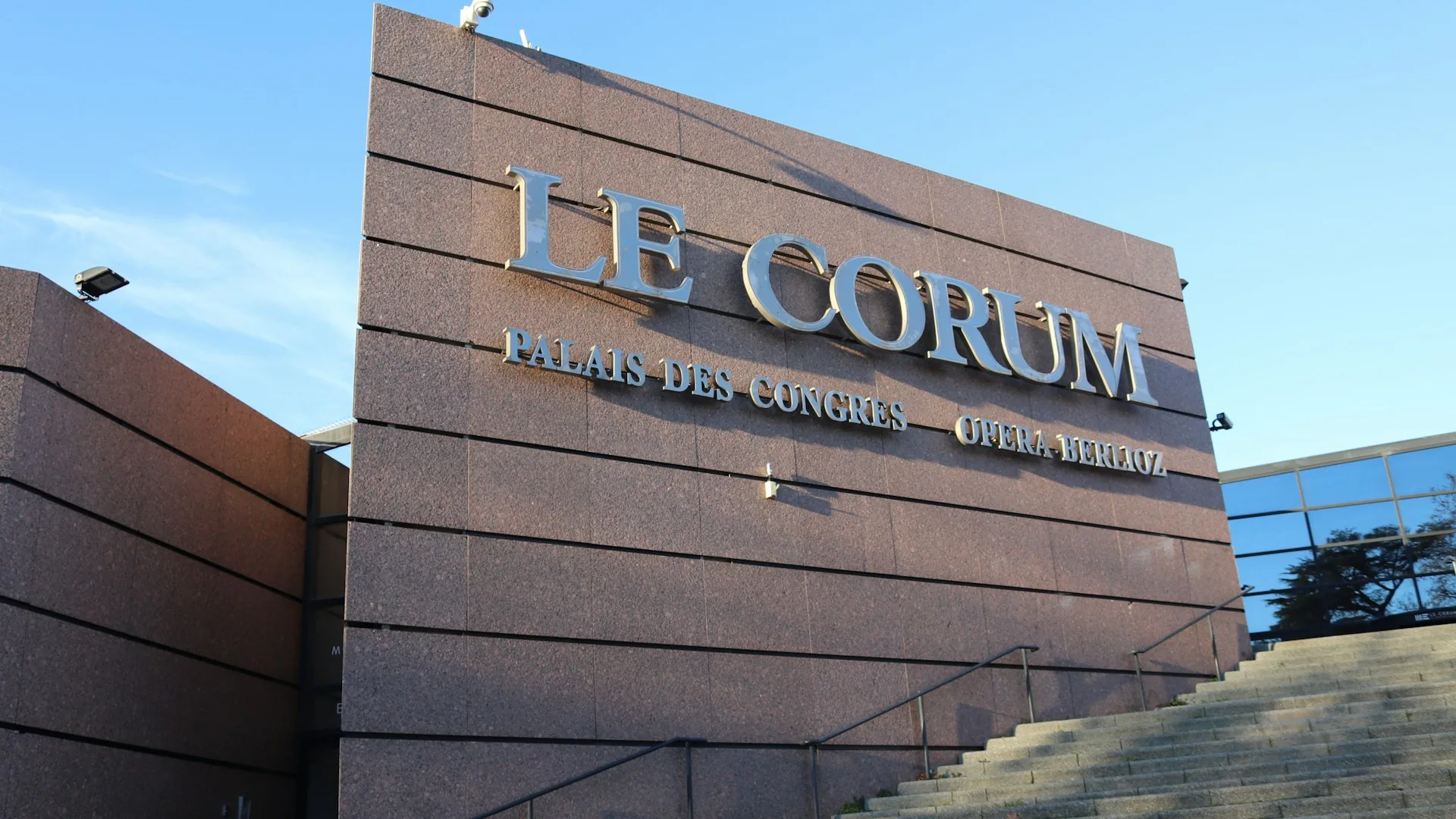
Oltre al suo patrimonio, Montpellier vanta una vivace scena culturale, con istituzioni come il Musée Fabre che espone belle arti e il contemporaneo Le Corum che ospita spettacoli ed eventi. Gli amanti della natura apprezzeranno il Jardin des Plantes, il più antico giardino botanico di Francia, e la verdeggiante Esplanade Charles de Gaulle. Grazie all'eccellente trasporto pubblico, Montpellier è anche una base comoda per esplorare la costa del Linguadoca e i vigneti vicini. Per dettagli aggiornati su attrazioni ed esperienze locali, consultare risorse ufficiali o informazioni locali.
Muoversi a Montpellier
Tram
Tram di Montpellier
La vasta rete tranviaria della città collega i principali quartieri, attrazioni e sobborghi. I tram passano frequentemente, rendendolo un modo efficiente per esplorare il centro di Montpellier e raggiungere luoghi come Place de la Comédie e Le Corum. I biglietti possono essere acquistati alle stazioni; verificare localmente le tariffe attuali.
Autobus
Servizi autobus TaM
Gli autobus completano il sistema tranviario, servendo quartieri e destinazioni non direttamente raggiungibili con il tram. Orari e percorsi sono affissi alle fermate e disponibili online. Considera l'acquisto di un pass giornaliero se prevedi di usare molto il trasporto pubblico.
bicycle
Noleggio biciclette Vélomagg’
Il sistema di bike sharing Vélomagg’ di Montpellier offre un modo comodo ed ecologico per muoversi. Le stazioni sono sparse per tutta la città, comprese quelle vicino alle principali attrazioni e nodi di trasporto. Sono disponibili noleggi a breve termine; verificare localmente registrazione e prezzi.
Consigli da insider per visitare Montpellier
Suggerimenti
- Molti musei, incluso il Musée Fabre, offrono ingresso gratuito o ridotto la prima domenica di ogni mese—programma la tua visita di conseguenza.
- Le strette vie del centro storico sono meglio esplorate a piedi; indossa scarpe comode e preparati ai ciottoli.
- I mercati sono un punto forte della vita locale. Visita Les Halles Castellane o i mercati all'aperto per prodotti freschi, specialità regionali e un'atmosfera vivace.
Domande frequenti
Quanti giorni dovrei trascorrere a Montpellier?
Un soggiorno di due o tre giorni permette di visitare le principali attrazioni di Montpellier, godere delle sue piazze vivaci e immergersi nella cultura locale. Considera più tempo se vuoi esplorare le spiagge vicine o la campagna del Linguadoca.
Qual è il periodo migliore per visitare Montpellier?
La primavera (aprile-giugno) e l'inizio dell'autunno (settembre-ottobre) offrono un clima piacevole e meno affollamento. L'estate è vivace ma può essere calda e affollata, specialmente durante i festival.
L'inglese è parlato comunemente a Montpellier?
Sebbene il francese sia la lingua ufficiale, l'inglese è comunemente parlato nelle aree turistiche, negli hotel e nei ristoranti. Imparare qualche frase base in francese è apprezzato dai locali.
Montpellier
Altri luoghi che potrebbero piacerti
Destinazioni correlate