
Musée Alsacien
The Musée Alsacien in Strasbourg offers a fascinating journey into Alsatian folk culture, showcasing traditional life, crafts, and customs through immersive displays in a historic setting.
The Musée Alsacien, nestled in the heart of Strasbourg, provides a vivid window into the cultural heritage of the Alsace region. Housed in a series of interconnected Renaissance-era townhouses, the museum invites visitors to explore over 5,000 objects that illustrate rural and urban life from the 18th to the early 20th centuries. Period rooms, reconstructed kitchens, and workshops bring to life the traditions, crafts, and domestic environments of Alsatian families.
Highlights include intricate woodwork, traditional costumes, religious artifacts, and tools used by local artisans. The museum’s winding staircases and timbered interiors create an immersive atmosphere, transporting guests to a bygone era. Whether you are interested in architecture, folklore, or regional history, the Musée Alsacien offers a rich, authentic experience for all ages.
What to Expect
| Recommended Visit Duration | 1–2 hours |
|---|---|
| Admission | Check locally for current prices |
| Opening Hours | Check locally; typically closed on Tuesdays and some holidays |
| Accessibility | Historic building; limited wheelchair access |
1907
Museum Founded
The Musée Alsacien opens to the public, dedicated to preserving Alsatian folk culture.
1917
Expansion
The museum grows to include several adjoining Renaissance townhouses, expanding its collection and exhibition space.
1980s
Major Renovations
Significant restoration work is undertaken to preserve the historic buildings and improve visitor experience.
Present
Ongoing Cultural Programs
The museum continues to host educational workshops, temporary exhibitions, and events highlighting Alsatian traditions.
Tips
- Audio guides are available in several languages—ask at the entrance for details.
- Photography is generally allowed, but flash may be prohibited to protect delicate artifacts.
- The museum’s central location makes it easy to combine with a stroll through Strasbourg’s historic center.
Is the Musée Alsacien suitable for children?
Yes, the museum’s interactive displays and reconstructed rooms are engaging for visitors of all ages.
Are guided tours offered?
Guided tours are available; inquire at the ticket desk or check the museum’s website for schedules.
Can I buy Alsatian souvenirs at the museum?
A small museum shop offers books and regional souvenirs related to Alsatian culture.
More places you may like
Related destinations
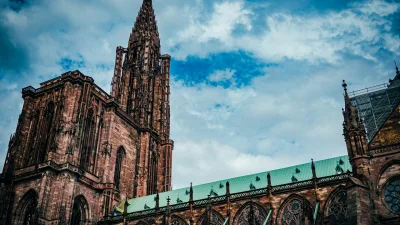
- Palais Rohan The Palais Rohan in Strasbourg is a grand 18th-century palace renowned for its classical architecture and trio of exceptional museums. Located beside the Strasbourg Cathedral, it offers a journey through Alsatian history, art, and archaeology. Palace
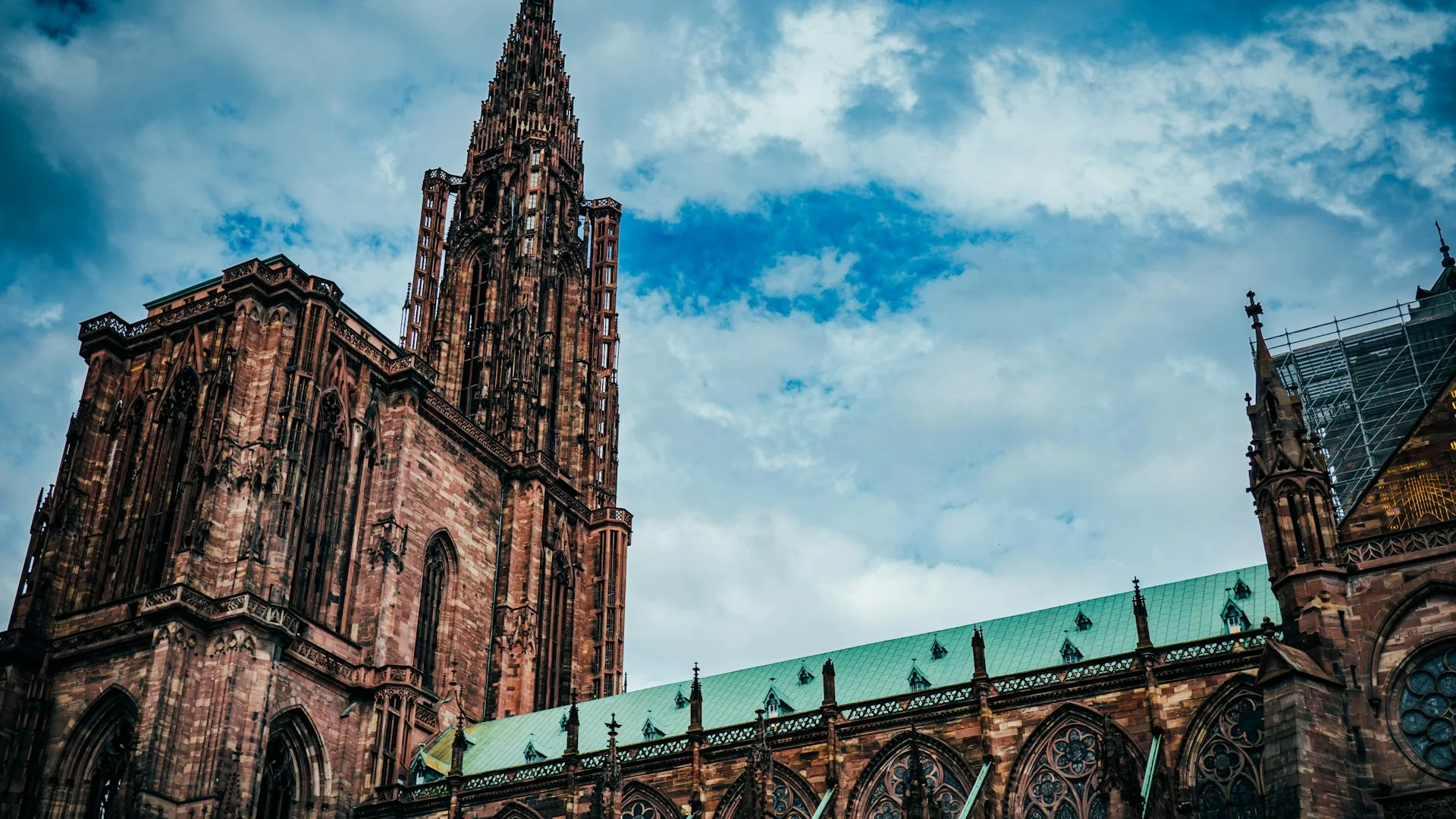
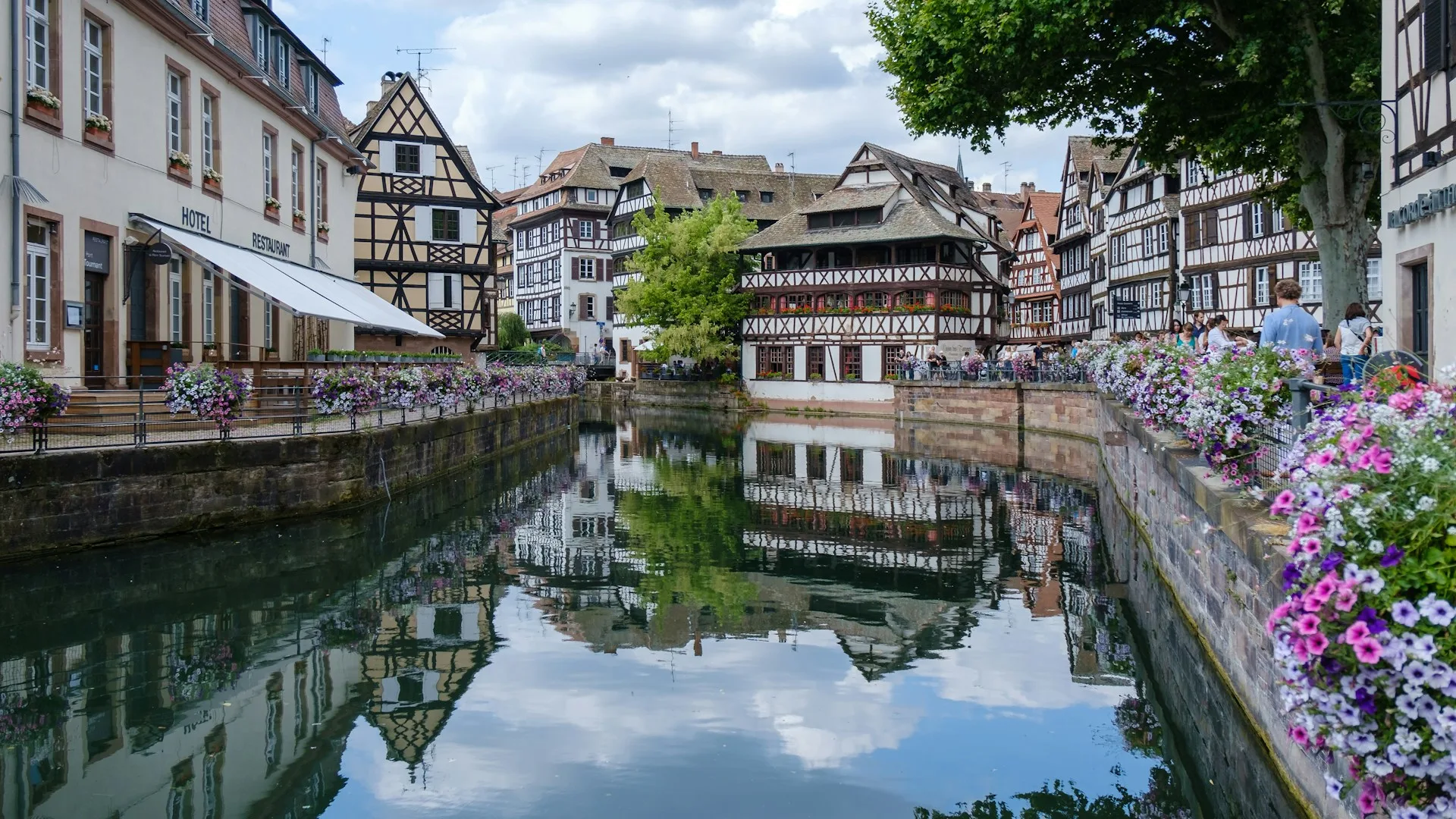
Discover close-by destinations
Nearby places
- Palais Rohan The Palais Rohan in Strasbourg is a grand 18th-century palace renowned for its classical architecture and trio of exceptional museums. Located beside the Strasbourg Cathedral, it offers a journey through Alsatian history, art, and archaeology. Palace