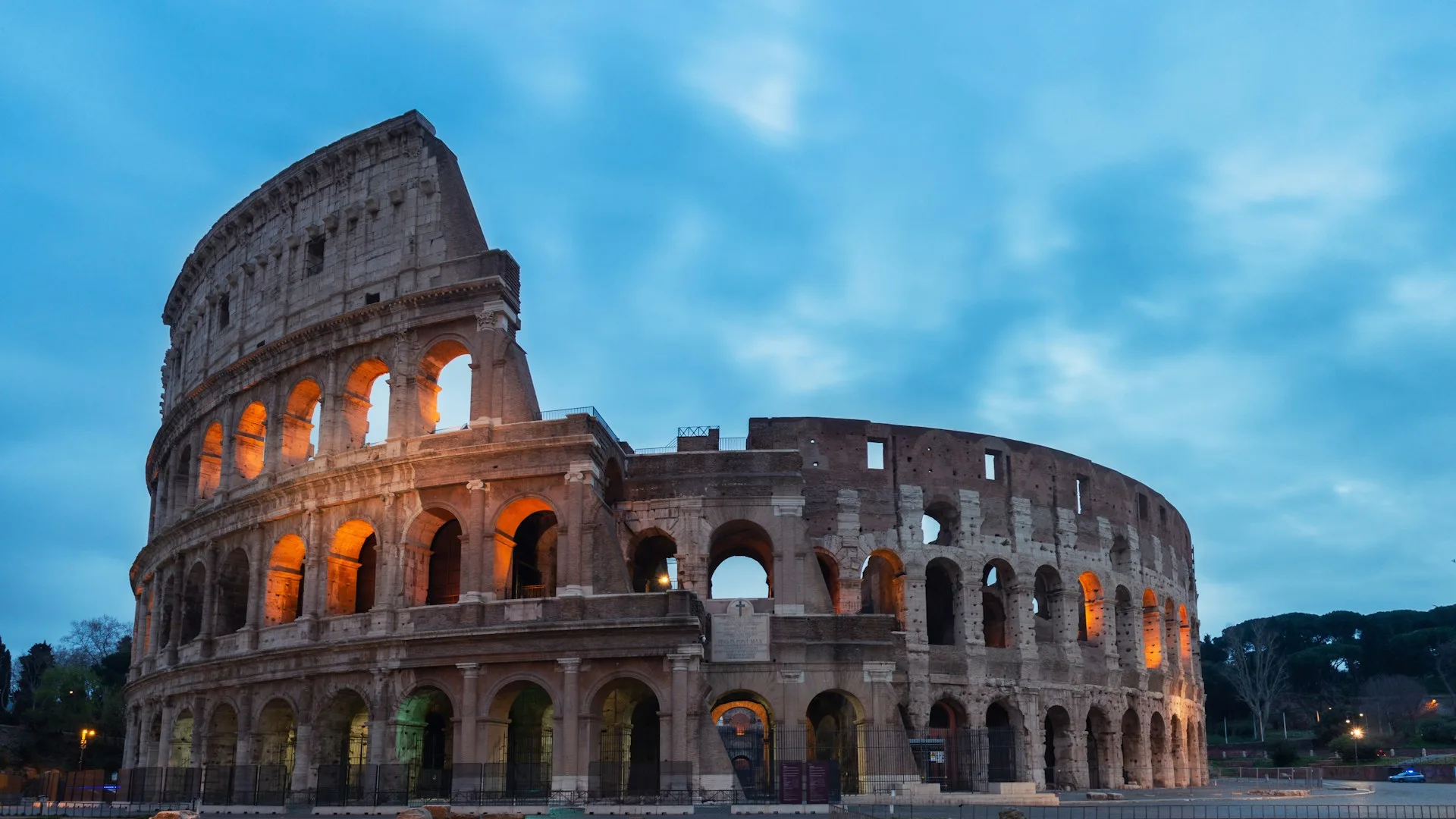
Colosseum
The Colosseum in Rome is an iconic ancient amphitheater, renowned for its grand architecture and dramatic history as the stage for gladiatorial contests.
The Colosseum, or Flavian Amphitheater, stands as a testament to the engineering prowess and cultural vibrancy of ancient Rome. Completed in AD 80, this elliptical structure once seated up to 50,000 spectators who gathered for gladiatorial contests, animal hunts, and public spectacles. Its imposing arches and travertine facade have endured centuries of earthquakes, stone robbers, and changing empires, making it a powerful symbol of Rome’s enduring legacy.
Today, the Colosseum is one of the world’s most visited monuments, drawing millions who marvel at its scale and evocative ruins. Visitors can explore the arena floor, gaze into the labyrinthine hypogeum where animals and gladiators awaited their fate, and ascend to the upper tiers for sweeping views of ancient and modern Rome. Restoration efforts continue to preserve this UNESCO World Heritage site, ensuring its stories echo through the ages.
Visitor Information
| Opening Hours | Typically 9:00–19:00; check locally for seasonal changes |
|---|---|
| Admission | Paid entry; advance booking strongly recommended |
| Duration | 1–2 hours |
| Accessibility | Partial wheelchair access; lifts available |
AD 72
Construction Begins
Emperor Vespasian initiates the building of the Colosseum as a gift to the Roman people.
AD 80
Inauguration
The Colosseum is inaugurated by Emperor Titus with 100 days of games.
5th Century
Decline
Gladiatorial games end; the Colosseum suffers damage from earthquakes and neglect.
1980
UNESCO World Heritage
The Colosseum is designated as part of Rome’s UNESCO World Heritage listing.
Tips
- Book tickets online in advance to avoid long queues, especially during peak season.
- Visit early in the morning or late afternoon for smaller crowds and softer light for photography.
- Consider a guided tour for deeper insights into the Colosseum’s history and restricted areas.
Can I visit the arena floor and underground areas?
Yes, but access to the arena floor and hypogeum is only available with special guided tours.
Are there facilities for visitors with limited mobility?
The Colosseum offers partial wheelchair access and lifts to some levels; check locally for details.
Is the Colosseum suitable for children?
Yes, children are welcome, though the site involves walking and some uneven surfaces.
Discover close-by destinations
Nearby places
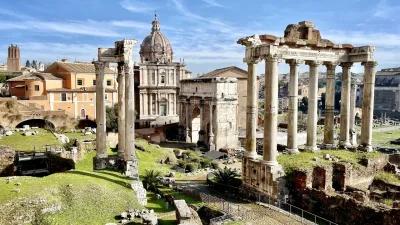
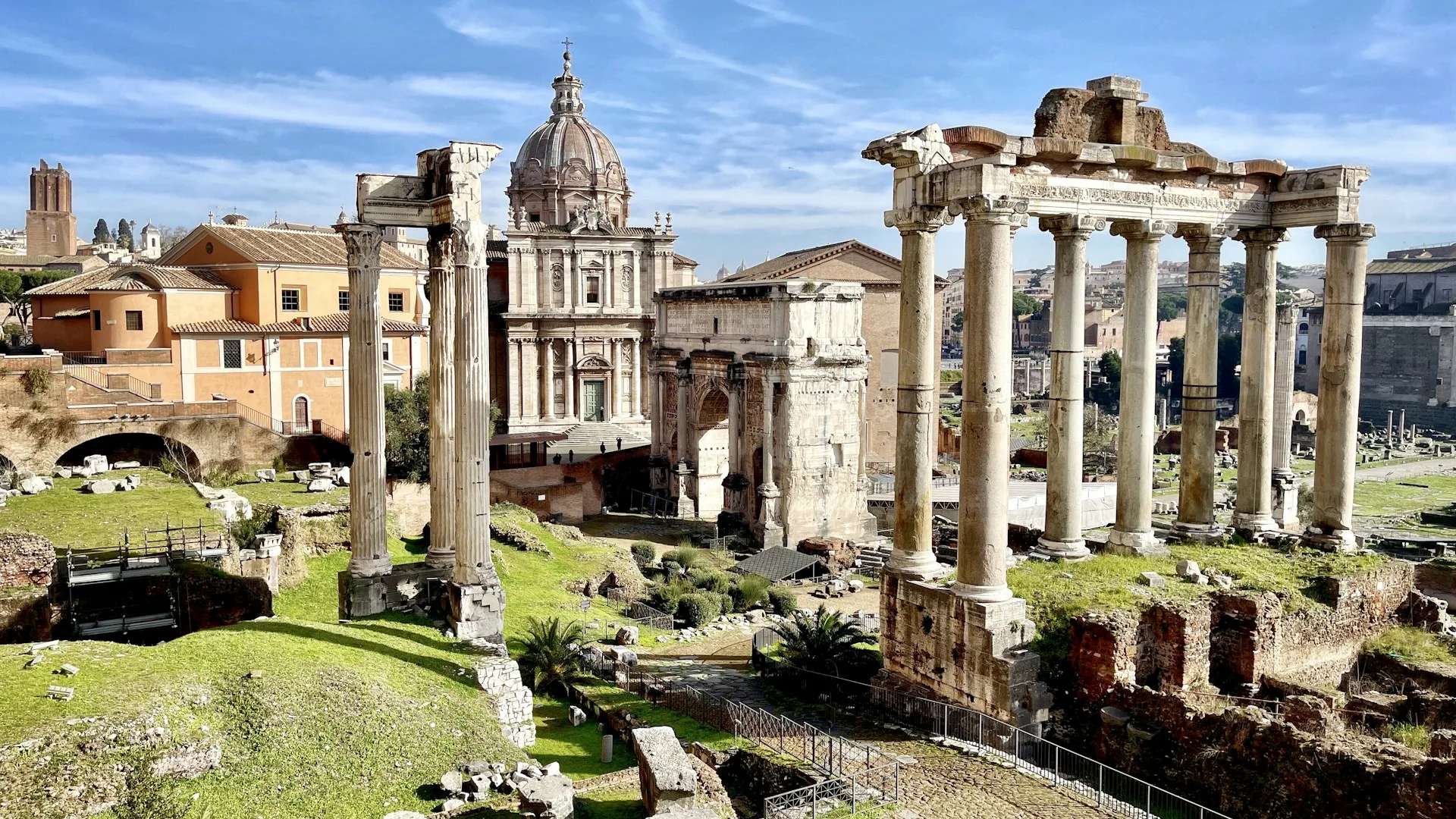
Roman Forum The Roman Forum is an iconic archaeological site in the heart of Rome, offering a fascinating glimpse into the political, social, and religious life of ancient Rome. Landmark
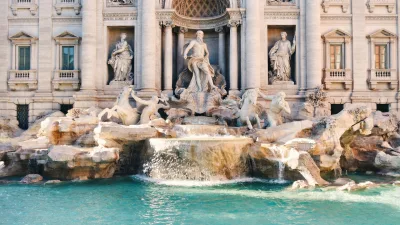
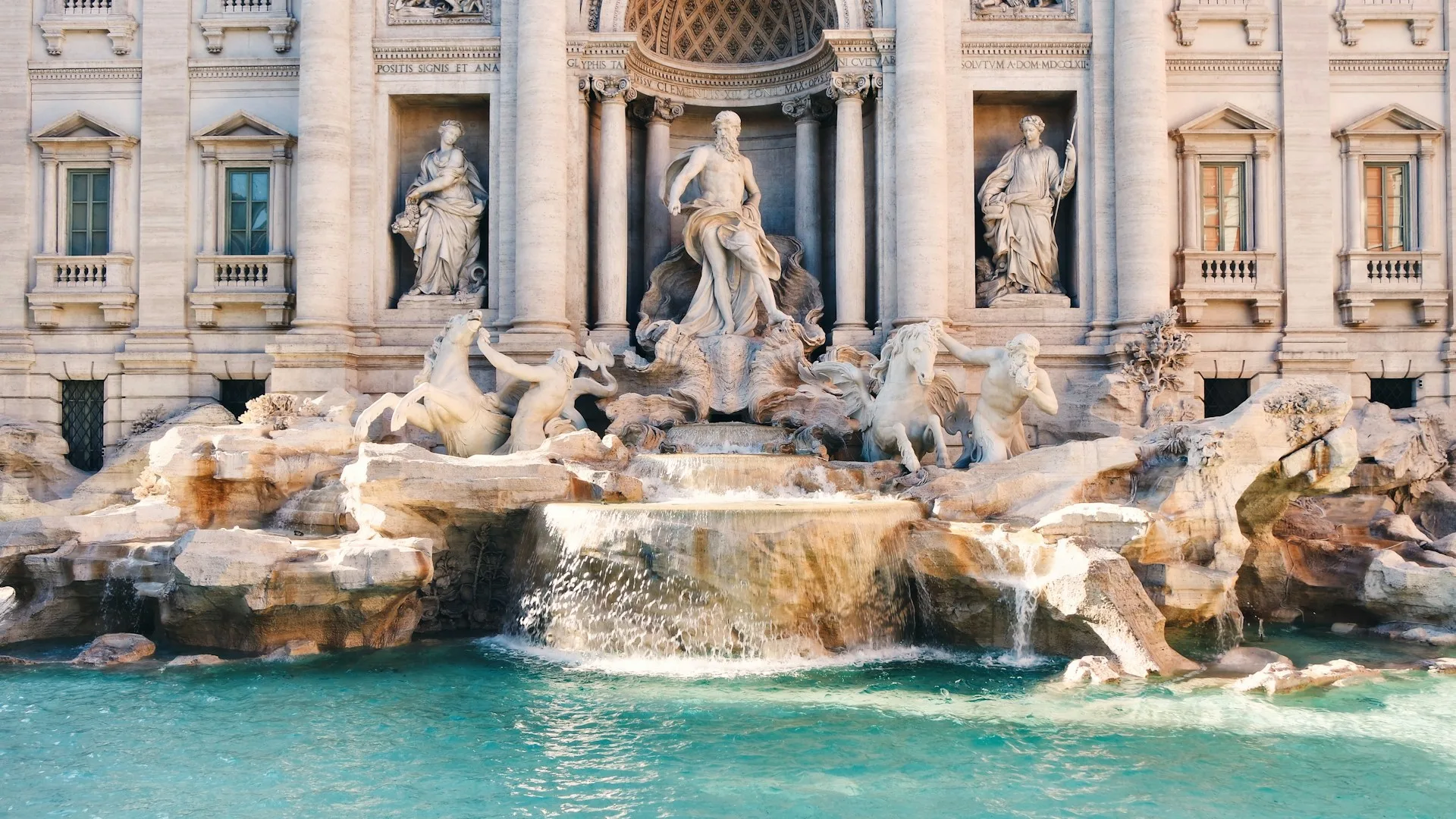
Trevi Fountain The Trevi Fountain is Rome’s most iconic Baroque fountain, renowned for its grandeur and the tradition of tossing coins for good luck. A must-see landmark, it draws visitors from around the world with its dramatic sculptures and vibrant atmosphere. Landmark
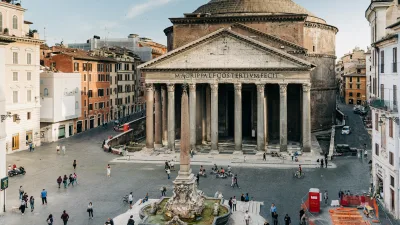
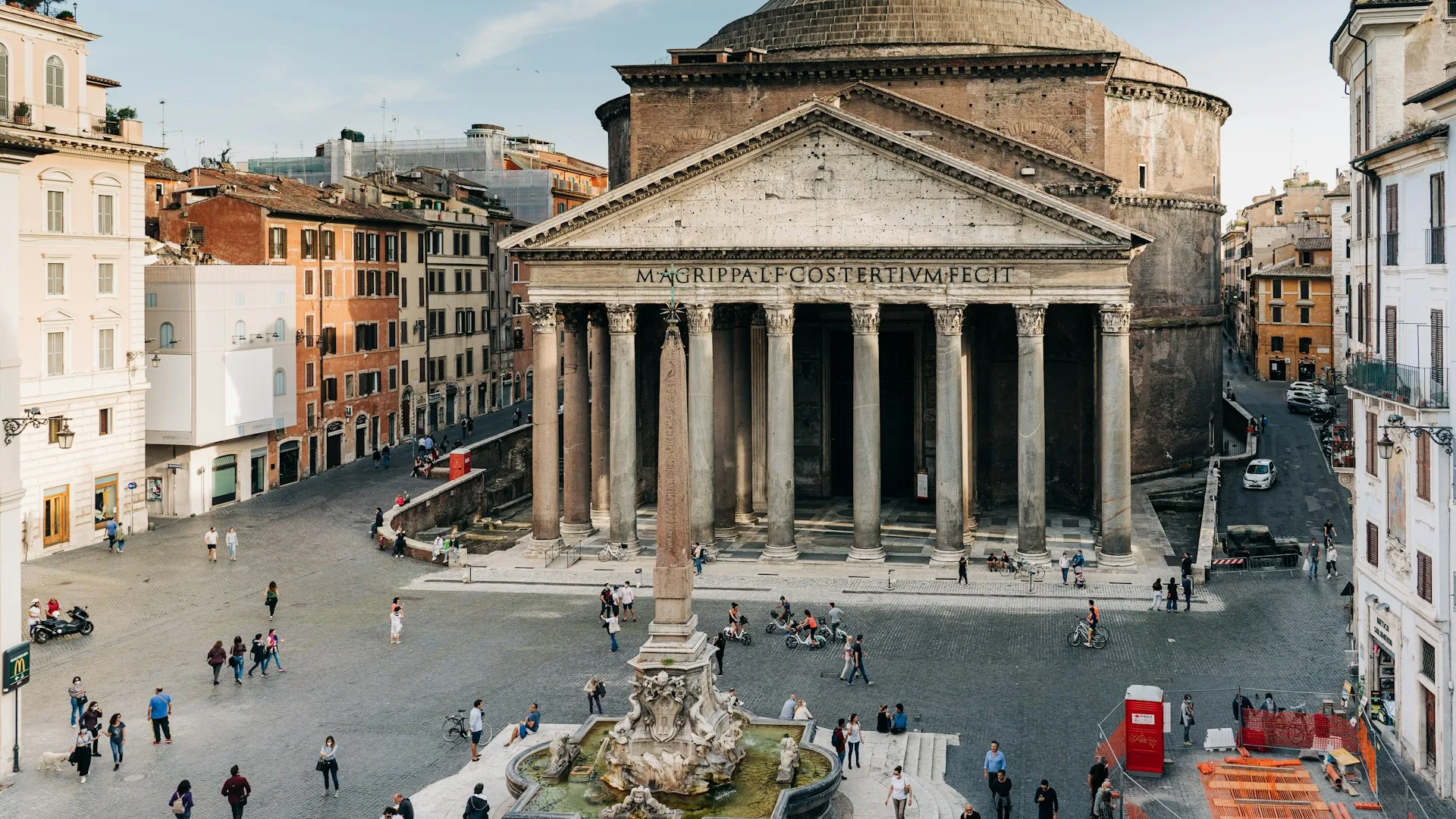
Pantheon The Pantheon in Rome is a remarkably preserved ancient Roman temple, renowned for its massive dome and oculus. It stands as a testament to Roman engineering and architectural brilliance. Landmark
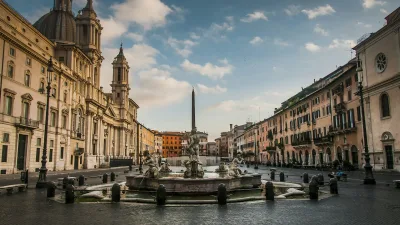
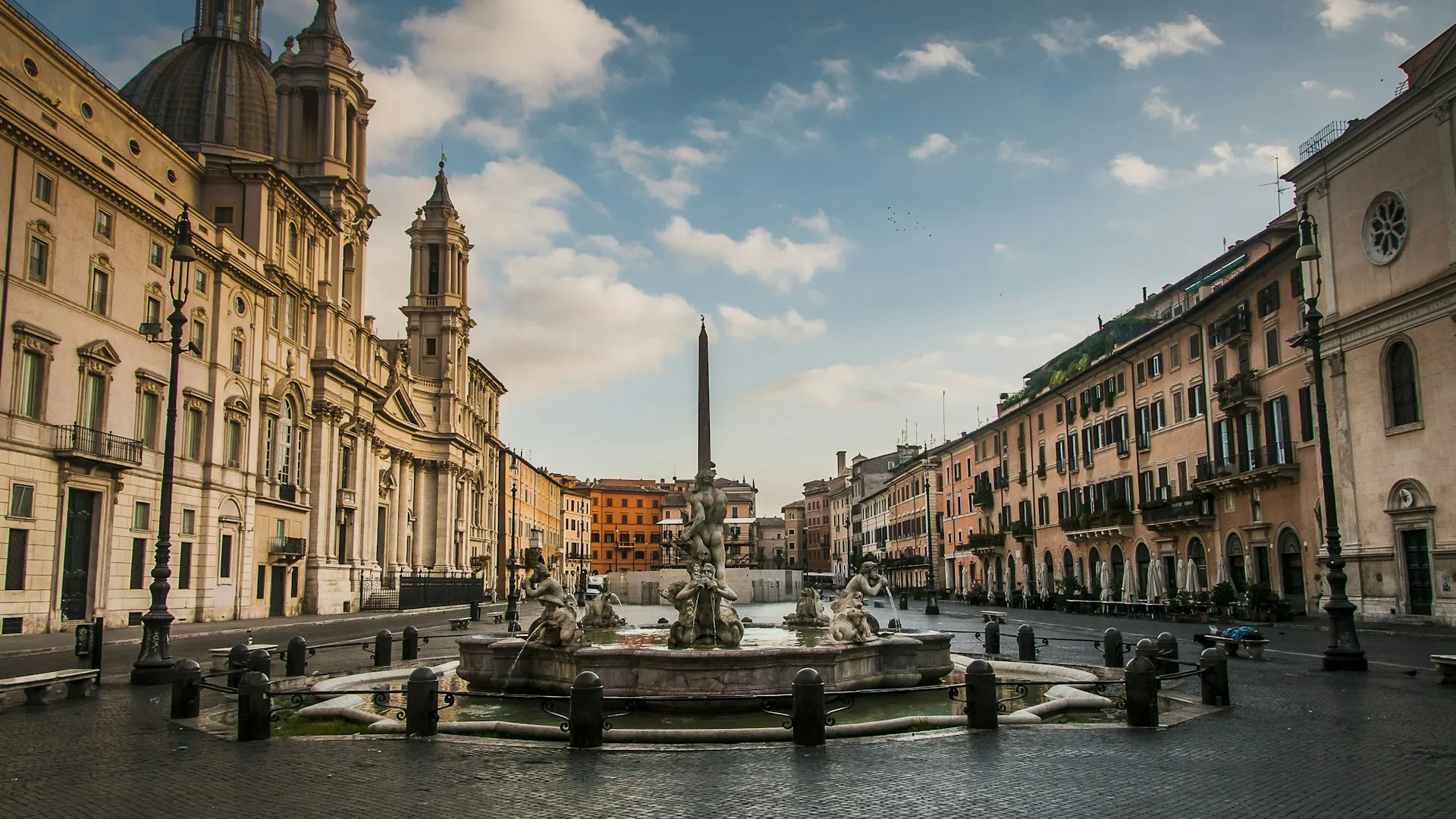
Piazza Navona Piazza Navona is one of Rome’s most iconic public squares, renowned for its Baroque fountains, lively atmosphere, and centuries-old history. This bustling neighborhood is a must-visit for art lovers, history enthusiasts, and anyone seeking the vibrant pulse of Rome. Neighborhood