
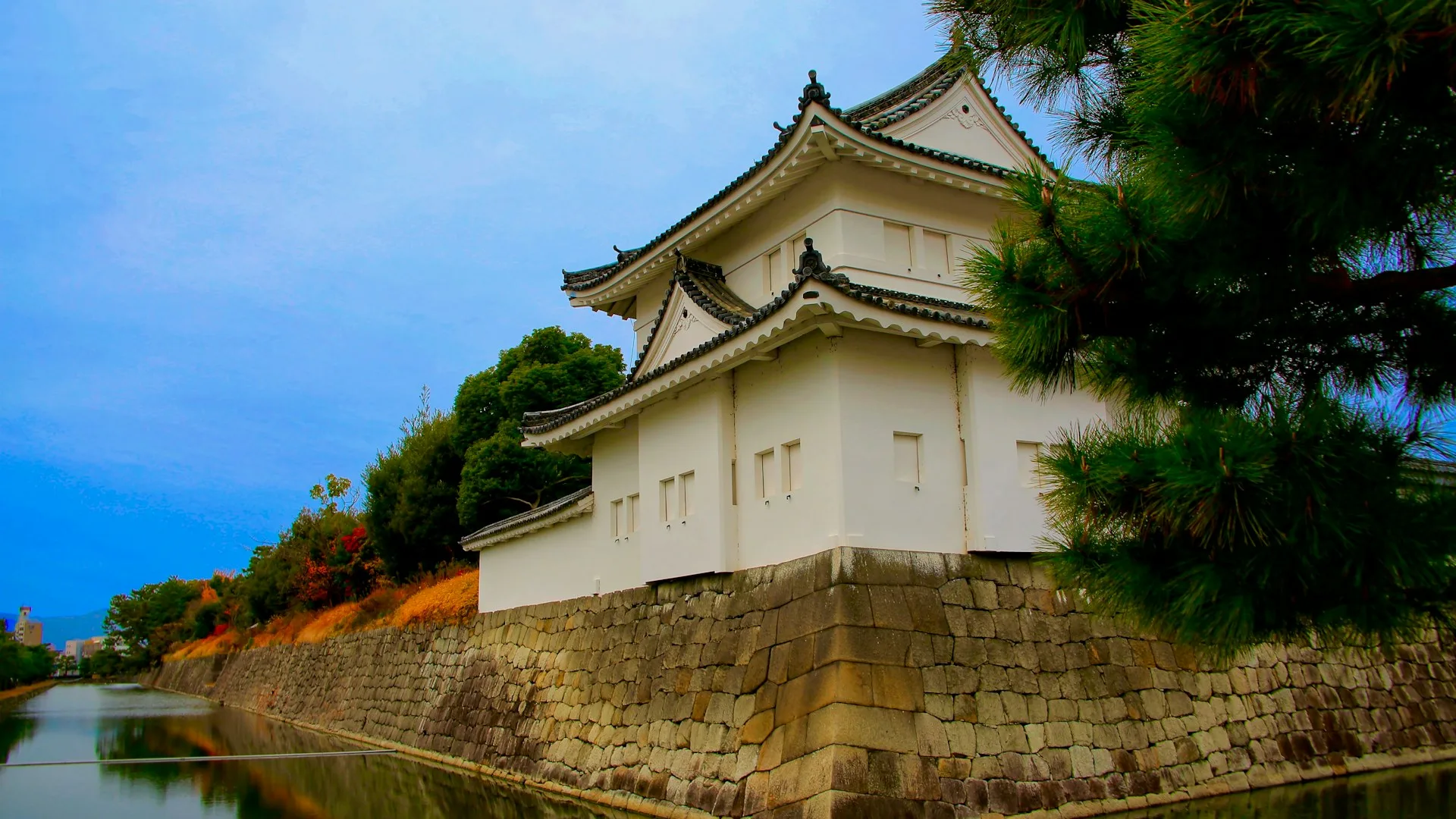
निज़ो कैसल
निज़ो क़िला, क्योटो के केंद्र में स्थित, जापान के एडो काल के सामरिक और कलात्मक धरोहर का प्रतीक है।
निज़ो क़िला, क्योटो के दिल में स्थित, जापान के एडो काल की शक्ति और कला का प्रमाण है। 1603 में टोकुगावा इएयासु, टोकुगावा वंश के पहले शोगुन, के आधिकारिक क्योटो निवास के रूप में निर्मित, यह क़िला अपने भव्य पत्थर की दीवारों, सुरुचिपूर्ण महल भवनों और सावधानीपूर्वक डिज़ाइन किए गए बागानों के लिए प्रसिद्ध है। इसका सबसे प्रसिद्ध भाग, निनोमारु पैलेस, सोने की पत्तियों, जटिल लकड़ी की नक्काशी और प्रसिद्ध 'नाइटिंगेल फ्लोर' से सुसज्जित है — जो पैरों के नीचे चहचहाते हैं और घुसपैठियों के आने की सूचना देते हैं।
युनेस्को विश्व धरोहर स्थल के रूप में नामित, निज़ो क़िला जापान के समुराई अभिजात वर्ग के जीवनशैली और राजनीति की दुर्लभ झलक प्रदान करता है। आगंतुक शांत बागानों में टहल सकते हैं, मौसमी चेरी ब्लॉसम का आनंद ले सकते हैं, और क़िले के ऐतिहासिक प्रदर्शनों का अन्वेषण कर सकते हैं, जिसमें 1867 में सम्राट को सत्ता की वापसी का नाटकीय इतिहास भी शामिल है। यह स्थल क्योटो के सबसे महत्वपूर्ण और भावपूर्ण स्थलों में से एक बना हुआ है, जो सांस्कृतिक विरासत और प्राकृतिक सुंदरता का संयोजन है।
आगंतुक सूचना
| खुलने का समय | आमतौर पर सुबह 8:45 बजे से शाम 5:00 बजे तक (अंतिम प्रवेश शाम 4:00 बजे); जनवरी, जुलाई, अगस्त, दिसंबर के मंगलवार और नववर्ष की छुट्टियों के दौरान बंद। नवीनतम जानकारी के लिए स्थानीय जांच करें। |
|---|---|
| प्रवेश शुल्क | वयस्कों के लिए लगभग ¥1,300; निनोमारु पैलेस के लिए अतिरिक्त शुल्क। छात्रों और बच्चों के लिए छूट। वर्तमान कीमतें ऑन-साइट पुष्टि करें। |
| समयावधि | 1–2 घंटे |
| सुगमता | कुछ क्षेत्र सुलभ हैं; ऐतिहासिक हिस्सों में असमान सतहें और सीढ़ियाँ हैं। |
1603
निर्माण प्रारंभ
टोकुगावा इएयासु ने निज़ो क़िले को अपने क्योटो निवास के रूप में बनवाया।
1626
विस्तार
टोकुगावा इएमित्सु के तहत प्रमुख नवीनीकरण और विस्तार, जिसमें होनमारु पैलेस का जोड़ शामिल है।
1867
साम्राज्य शासन की पुनर्स्थापना
टोकुगावा योशिनोबु ने निज़ो क़िले में सम्राट को सत्ता वापस की, जो शोगुनशाही का अंत था।
1994
युनेस्को विश्व धरोहर स्थिति
निज़ो क़िला प्राचीन क्योटो के ऐतिहासिक स्मारकों के रूप में मान्यता प्राप्त।
सुझाव
- आरामदायक जूते पहनें, क्योंकि क़िले के परिसर में कंकड़ वाले रास्ते और असमान सतहों पर चलना होता है।
- कुछ महल भवनों के अंदर फ़ोटोग्राफी की अनुमति नहीं है—संकेतों को देखें और नियमों का सम्मान करें।
- विशेष रूप से सुंदर दृश्य के लिए चेरी ब्लॉसम के मौसम (मार्च के अंत से अप्रैल की शुरुआत) या शरद ऋतु में जाएं।
क्या मैं निज़ो क़िले के सभी क्षेत्रों में प्रवेश कर सकता हूँ?
कुछ क्षेत्र, जैसे निनोमारु पैलेस, के लिए अतिरिक्त टिकट की आवश्यकता होती है और मरम्मत या विशेष आयोजनों के दौरान प्रवेश प्रतिबंधित हो सकता है।
क्या अंग्रेज़ी ऑडियो गाइड उपलब्ध है?
हाँ, प्रवेश द्वार पर अंग्रेज़ी ऑडियो गाइड और पुस्तिकाएँ किराए पर उपलब्ध हैं।
क्या सीमित गतिशीलता वाले आगंतुकों के लिए सुविधाएँ हैं?
कुछ भाग सुलभ हैं, लेकिन ऐतिहासिक संरचनाओं में सीढ़ियाँ या असमान फर्श हो सकते हैं। सहायता के लिए स्टाफ से संपर्क करें।
और जगहें जो आपको पसंद आ सकती हैं
संबंधित गंतव्य
पास के गंतव्य खोजें
नज़दीकी जगहें