Senso-ji Temple
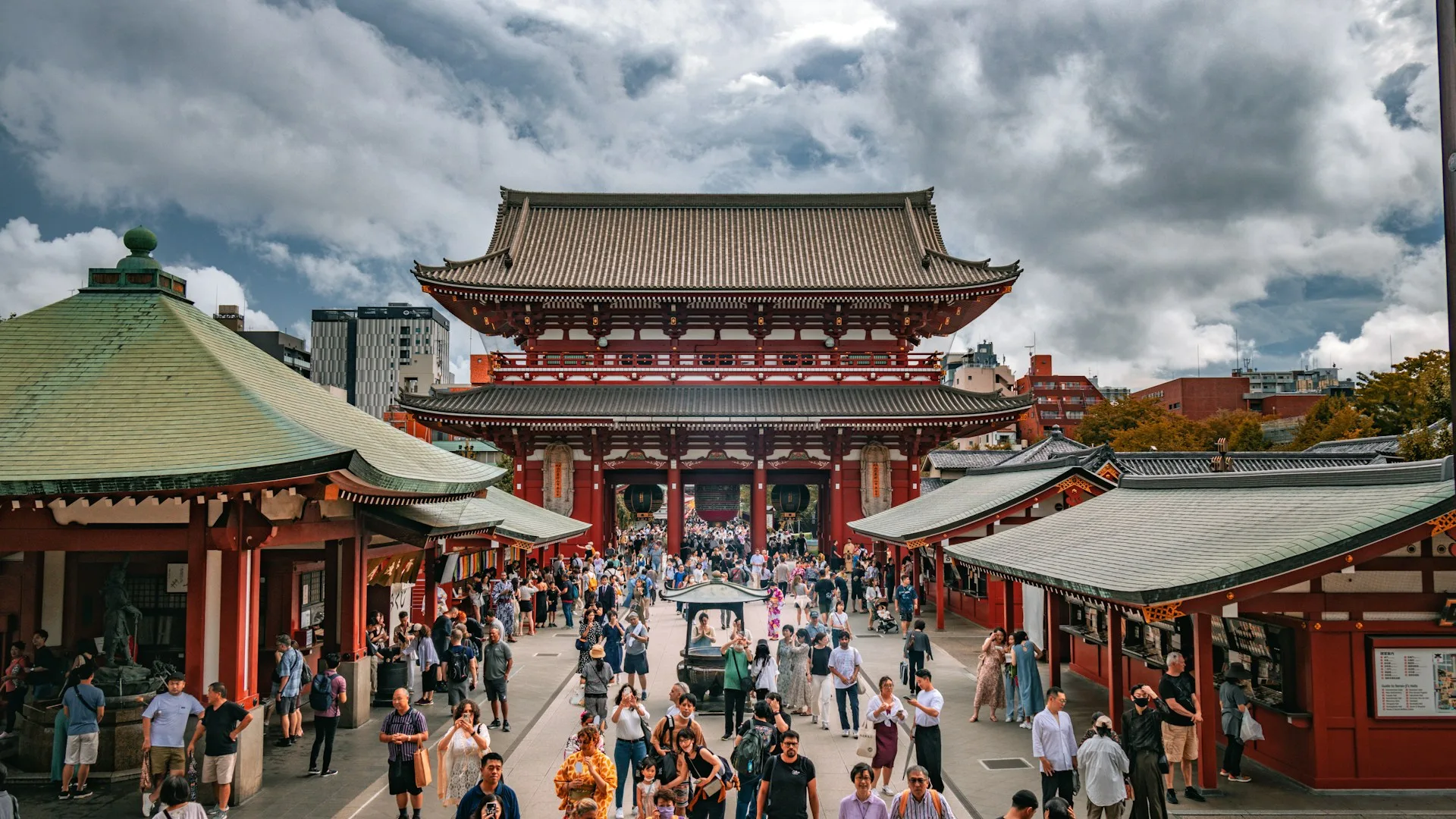
Senso-ji Temple is Tokyo's oldest and most significant Buddhist temple, renowned for its vibrant atmosphere and historic architecture in Asakusa.
Nestled in the heart of Asakusa, Senso-ji Temple stands as Tokyo’s oldest and most revered Buddhist temple, founded in 645 AD. Its iconic Kaminarimon (Thunder Gate), adorned with a massive red lantern, welcomes millions of visitors each year, leading them through Nakamise-dori—a bustling street lined with traditional shops and local treats—toward the temple’s majestic main hall.
Senso-ji is not only a place of worship but also a vibrant hub of local culture, especially during festivals like Sanja Matsuri. The temple grounds are alive with incense, fortune-telling stalls, and the rhythmic sound of prayers. Visitors are encouraged to participate in rituals such as wafting incense smoke for good health and drawing omikuji fortunes, making Senso-ji a truly immersive experience for all.
Essential Information
| Location | 2-3-1 Asakusa, Taito City, Tokyo |
|---|---|
| Hours | Main hall: 6:00–17:00 (October–March: 6:30–17:00); temple grounds open 24 hours |
| Admission | Free |
| Best time to visit | Early morning or late afternoon; avoid weekends for fewer crowds |
628
Legendary Discovery
Two fishermen brothers reportedly discover a statue of Kannon, the goddess of mercy, in the Sumida River.
645
Temple Founded
Senso-ji is officially established, making it Tokyo’s oldest temple.
1945
Postwar Reconstruction
The temple is rebuilt after being destroyed during World War II air raids.
Present
Cultural Landmark
Senso-ji remains a major spiritual and cultural center, hosting millions of visitors annually.
Tips
- Arrive early in the morning to experience the temple with fewer crowds and a tranquil atmosphere.
- Try local snacks like ningyo-yaki and freshly made senbei from Nakamise-dori’s traditional stalls.
- Participate in drawing an omikuji fortune, but remember to tie bad fortunes to the designated racks if you wish to leave misfortune behind.
Is there a dress code for visiting Senso-ji Temple?
There is no strict dress code, but visitors are encouraged to dress respectfully when entering the main hall.
Can I take photos inside the temple?
Photography is allowed in most areas, but please check for signs and avoid flash or disruptive behavior inside the main hall.
Are guided tours available?
Guided tours are sometimes available; check with local tourism offices or the temple’s information center for current offerings.
More places you may like
Related destinations
Discover close-by destinations
Nearby places