Seoul
Tradition og teknologi i Sydkoreas livlige hovedstad
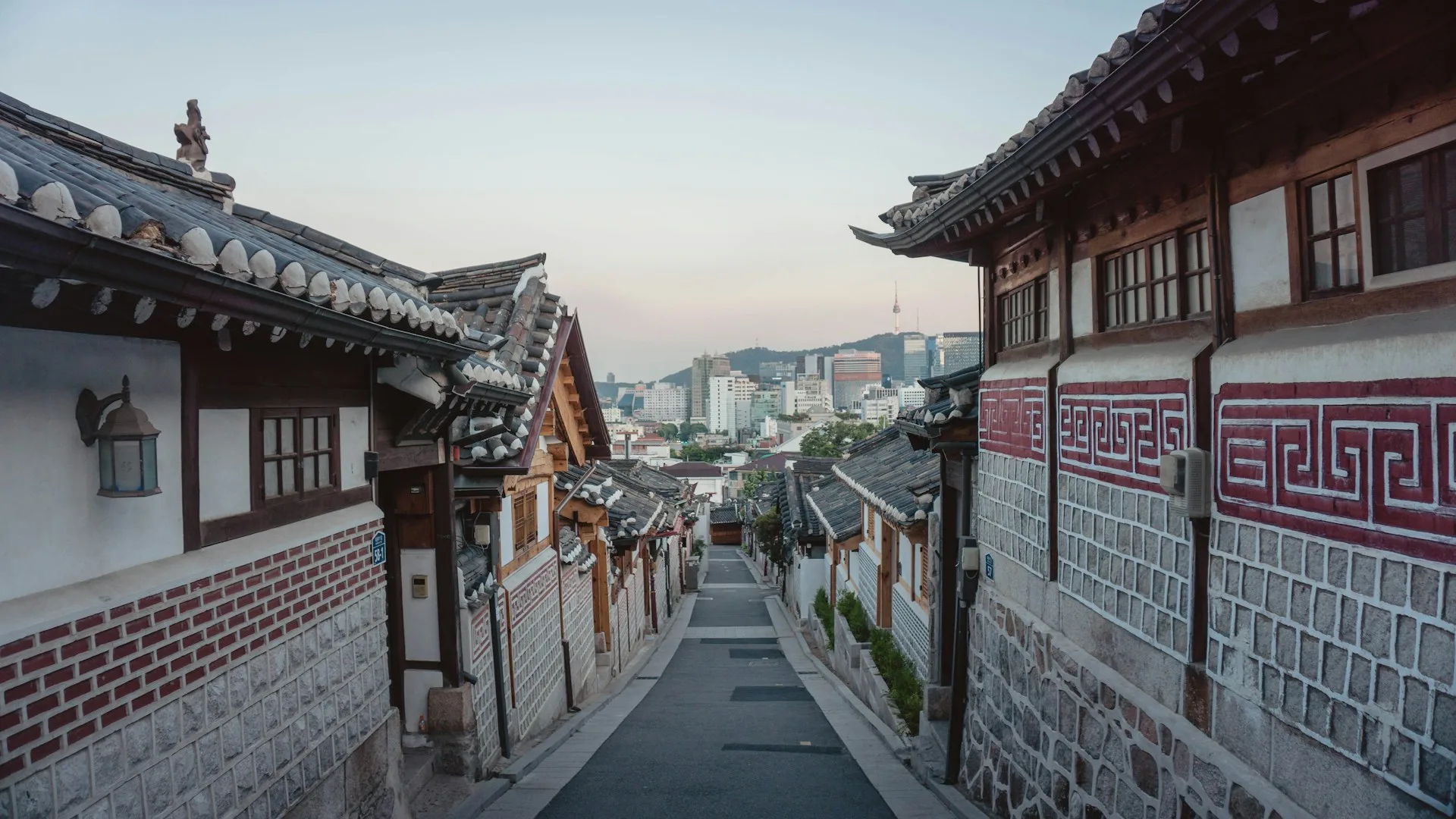
Seoul, Sydkoreas hovedstad, er en by med markante kontraster. Gamle paladser som Gyeongbokgung og Changdeokgung står midt blandt skinnende skyskrabere, mens rolige hanok-byer og travle shoppinggader afslører byens lagdelte historie. Han-floden deler byen, med det historiske Jongno og Insadong mod nord og de moderne distrikter Gangnam og Dongdaemun mod syd.
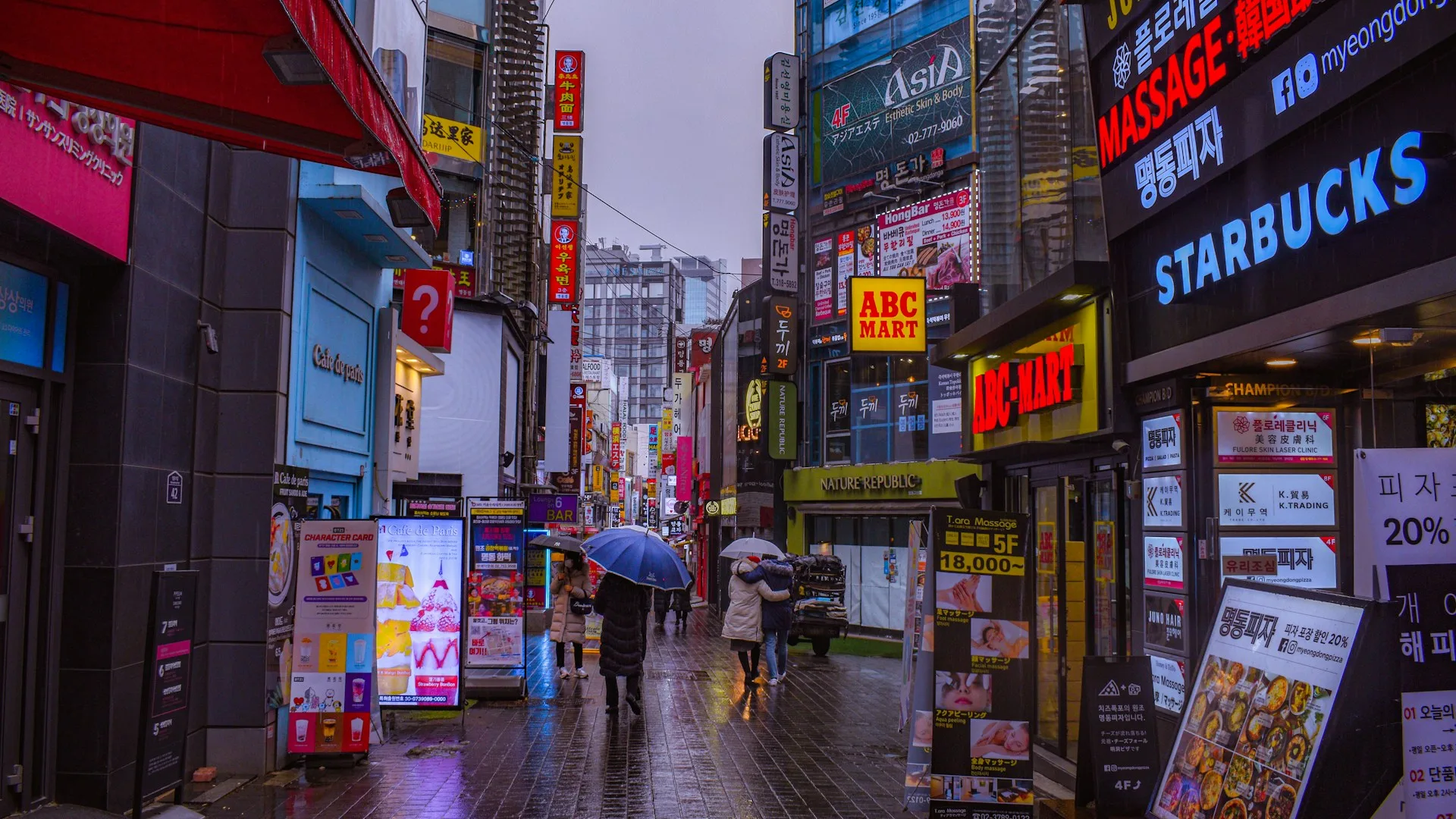
Besøgende kan udforske et bredt udvalg af attraktioner, fra de traditionelle gyder i Bukchon Hanok Village til det futuristiske Dongdaemun Design Plaza. Madelskere finder alt fra sprød street food i Myeongdong til raffineret tempelmad. Uanset om du søger panoramaudsigter over byen fra Namsan Seoul Tower eller ønsker at dykke ned i K-pop-kulturen, byder Seoul på en dynamisk og stadigt udviklende byoplevelse. For mere detaljerede anbefalinger, tjek lokale ressourcer for den seneste byguide og opdaterede rejsetips.
Kom rundt i Seoul
Metro
Seoul Metropolitan Subway
Et af verdens mest omfattende og effektive metrosystemer, der dækker de fleste kvarterer og store attraktioner. Engelske skilte er bredt tilgængelige; tjek lokalt for T-money kortmuligheder og køreplaner.
Bus
Bybusser
Seouls farvekodede busnetværk forbinder alle distrikter, inklusive natbusser. Billetter kan betales med T-money kort. Tjek ruteoversigter og tidsplaner lokalt.
taxi
Taxaer
Taxaer er bredt tilgængelige og relativt overkommelige. Mange chauffører taler begrænset engelsk, så det anbefales at have din destination skrevet på koreansk. Priser varierer efter type og tidspunkt på dagen.
Tips
- Køb et T-money kort for nem betaling i offentlig transport og udvalgte convenience stores.
- Mange kulturelle steder, inklusive paladser, er lukkede om mandagen eller tirsdagen; tjek åbningstider lokalt før besøg.
- Gratis Wi-Fi er bredt tilgængeligt i offentlige rum, men overvej et lokalt SIM-kort for pålidelig forbindelse.
Ofte stillede spørgsmål
Hvor mange dage bør jeg tilbringe i Seoul?
Et ophold på 3-5 dage giver nok tid til at se de vigtigste seværdigheder, udforske kvarterer og nyde lokal mad. Længere ophold anbefales for dybdegående kulturelle oplevelser.
Hvornår er det bedste tidspunkt at besøge Seoul?
Forår (april-juni) og efterår (september-november) byder på mildt vejr og farverigt landskab. Somrene kan være varme og fugtige, mens vintrene er kolde men festlige.
Tales der meget engelsk i Seoul?
Engelsk tales på store turiststeder, hoteller og nogle restauranter, men mindre i lokale markeder eller hos taxachauffører. Grundlæggende koreanske fraser eller oversættelsesapps kan være nyttige.
Seoul
Flere steder du måske kan lide