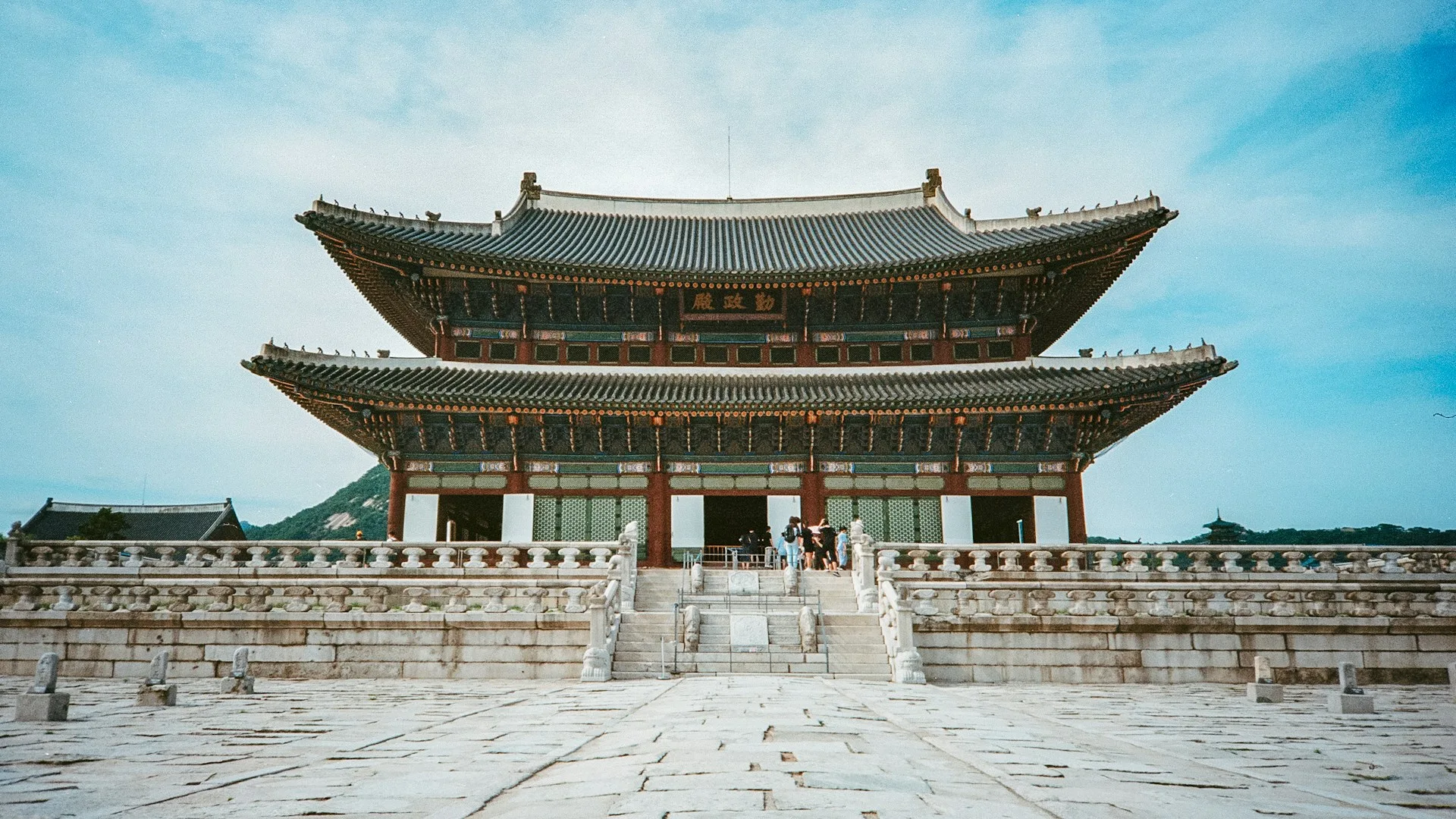
ग्योंगबोकगुंग पैलेस
ग्योंगबोकगुंग महल, जो अक्सर नॉर्दर्न पैलेस के नाम से जाना जाता है, सियोल के पांच भव्य महलों में सबसे बड़ा और सबसे प्रतिष्ठित है।
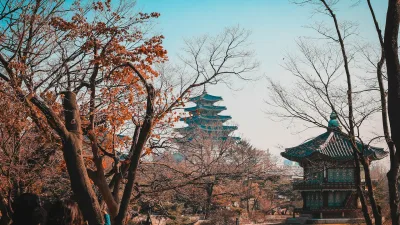
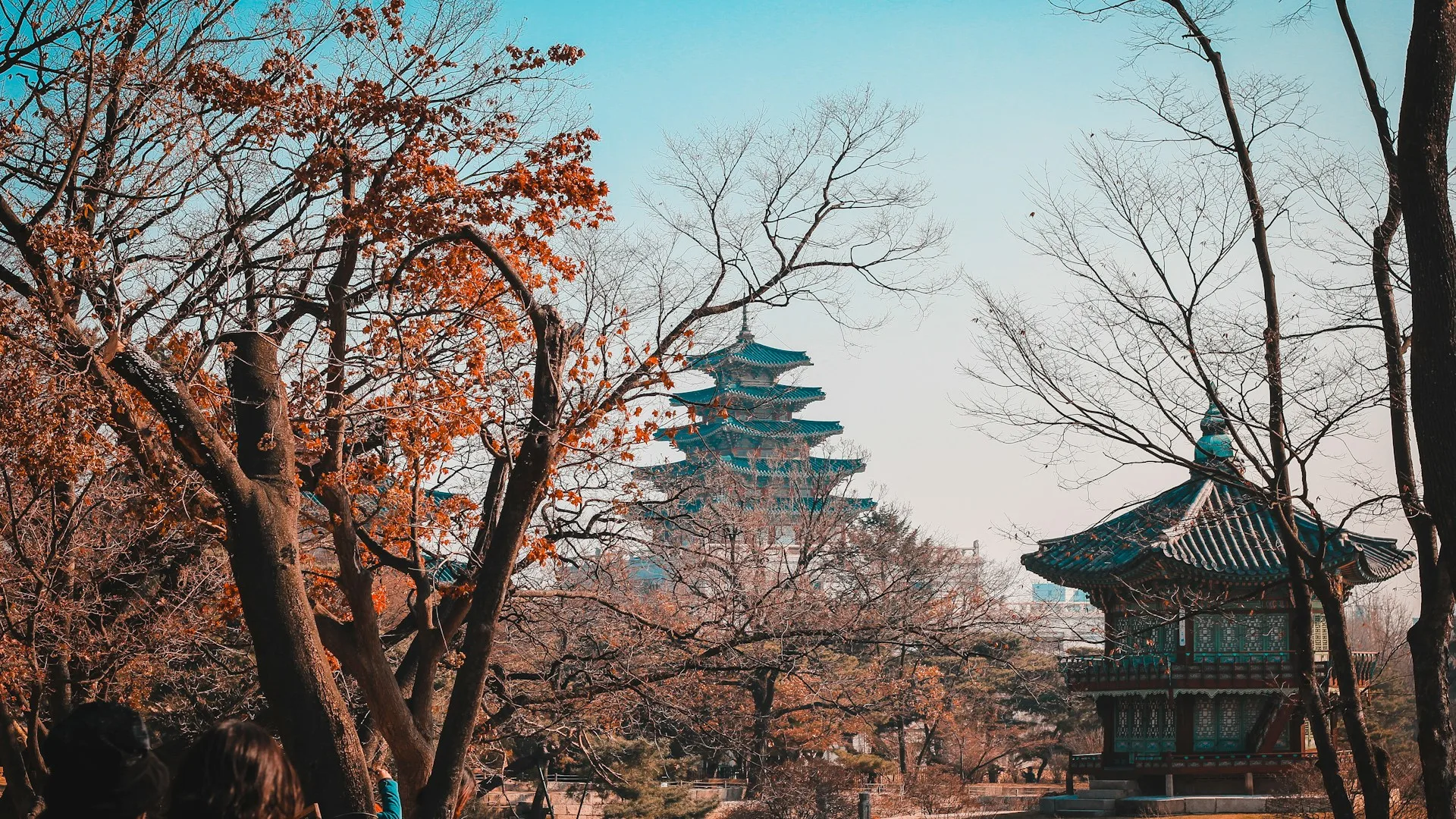
ग्योंगबोकगुंग महल, जिसे अक्सर नॉर्दर्न पैलेस कहा जाता है, सियोल के पांच भव्य महलों में सबसे बड़ा और सबसे प्रतिष्ठित है। 1395 में निर्मित, यह सदियों तक जोसेओन वंश का मुख्य शाही निवास रहा, जो उनकी संप्रभुता और दृढ़ता का प्रतीक है। महल परिसर में सुंदर लकड़ी के हॉल, शांत कमल तालाब, और माउंट बुगाकसान की पृष्ठभूमि में खूबसूरत मंडप हैं, जो शहर के दिल में एक शांतिपूर्ण आश्रय प्रदान करते हैं।
आगंतुक सावधानीपूर्वक पुनर्स्थापित मैदानों का अन्वेषण कर सकते हैं, रंगीन गार्ड परिवर्तन समारोह देख सकते हैं, और महल परिसर में स्थित राष्ट्रीय महल संग्रहालय और राष्ट्रीय लोक संग्रहालय में कोरियाई शाही विरासत को समझ सकते हैं। ग्योंगबोकगुंग कोरिया की सांस्कृतिक विरासत का जीवंत प्रमाण है, जो यात्रियों और स्थानीय लोगों दोनों के लिए इतिहास, वास्तुकला और परंपरा का अनूठा मिश्रण प्रस्तुत करता है।
आवश्यक जानकारी
| खुलने का समय | आमतौर पर 9:00–18:00 (मंगलवार को बंद); मौसमी बदलाव के लिए स्थानीय जांच करें। |
|---|---|
| प्रवेश शुल्क | वयस्क: लगभग 3,000 KRW; बच्चों और समूहों के लिए छूट। अपडेट के लिए स्थानीय जांच करें। |
| समय अवधि | 1.5–2 घंटे की सिफारिश |
| गार्ड परिवर्तन समारोह | दिन में दो बार; आगमन पर कार्यक्रम जांचें। |
1395
महल का निर्माण
ग्योंगबोकगुंग महल जोसेओन वंश के मुख्य शाही निवास के रूप में बनाया गया।
1592–1598
जापानी आक्रमण के दौरान विनाश
इमजिन युद्ध के दौरान महल को आग लगने से भारी नुकसान हुआ।
1867
मुख्य पुनर्स्थापन
ह्यंगसियॉन डेवोंगुन के निर्देशन में ग्योंगबोकगुंग का व्यापक पुनर्निर्माण।
1990 से वर्तमान
लगातार पुनर्स्थापन
महल की ऐतिहासिक संरचनाओं को बहाल और संरक्षित करने के लिए निरंतर प्रयास।
सुझाव
- मुफ्त प्रवेश और यादगार तस्वीरों के लिए पारंपरिक हानबोक पोशाक पहनें।
- भीड़ से बचने के लिए विशेष रूप से सप्ताहांत और छुट्टियों पर जल्दी पहुंचें।
- गहरे सांस्कृतिक अनुभव के लिए पास के राष्ट्रीय लोक संग्रहालय के साथ अपनी यात्रा संयोजित करें।
क्या ग्योंगबोकगुंग महल में अंग्रेज़ी संकेत उपलब्ध हैं?
हाँ, अधिकांश प्रमुख भवनों में अंग्रेज़ी सूचना पैनल हैं, और निर्धारित समय पर अंग्रेज़ी में निर्देशित पर्यटन उपलब्ध हैं।
क्या महल के अंदर फोटो खींच सकते हैं?
महल के मैदानों में फोटोग्राफी की अनुमति है, लेकिन कुछ इनडोर प्रदर्शनों में फ्लैश और ट्राइपॉड प्रतिबंधित हो सकते हैं।
क्या निर्देशित पर्यटन उपलब्ध हैं?
मुफ्त निर्देशित पर्यटन कई भाषाओं में उपलब्ध हैं; समय के लिए आधिकारिक वेबसाइट देखें या प्रवेश द्वार पर पूछताछ करें।
पास के गंतव्य खोजें
नज़दीकी जगहें