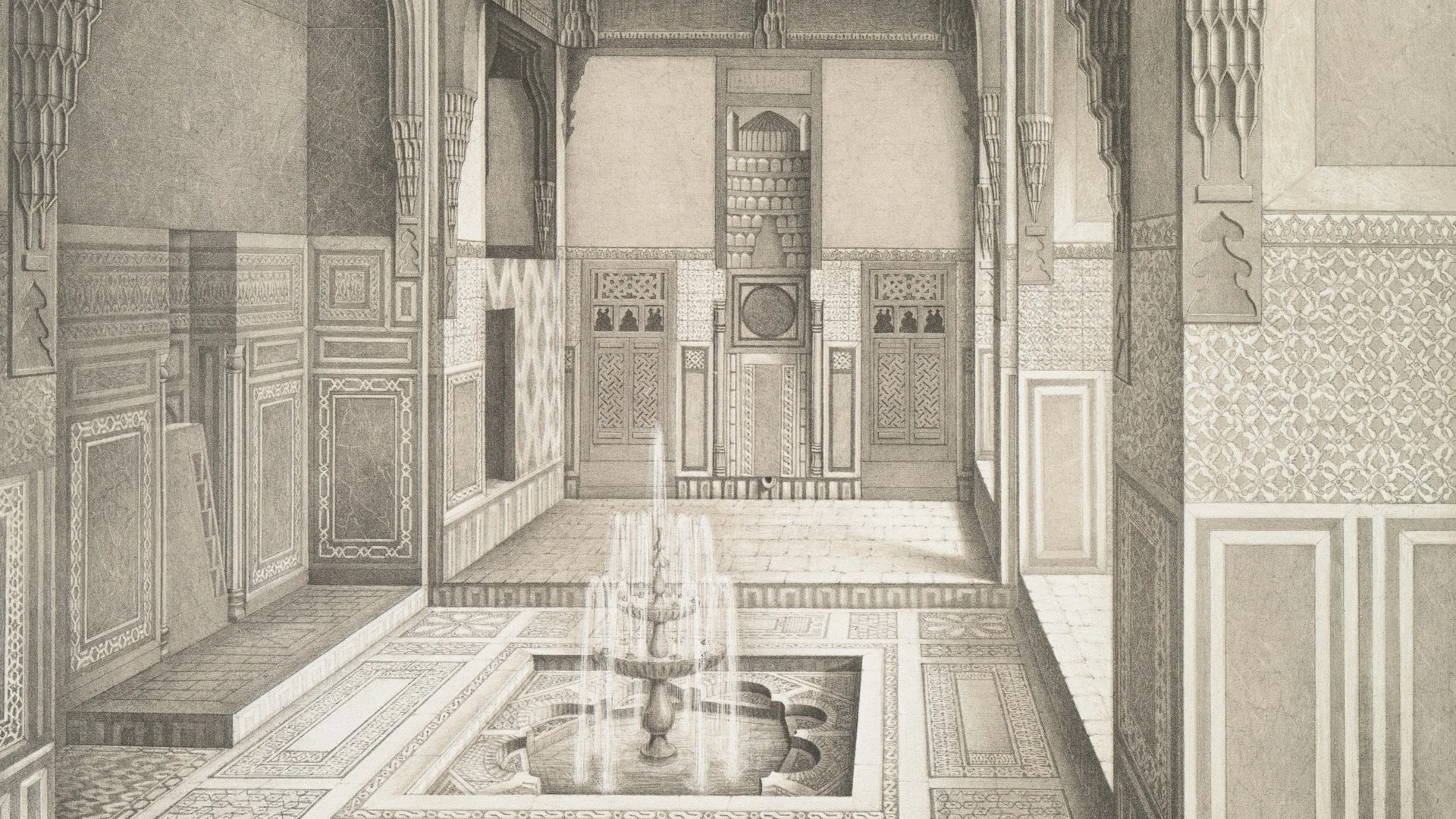
Museum of Islamic Art
Cairo’s Museum of Islamic Art houses one of the world’s richest collections of Islamic artifacts, spanning centuries of history and artistry from across the Islamic world.
The Museum of Islamic Art in Cairo is a treasure trove for art lovers and history enthusiasts alike. Founded in 1903, it is home to an extraordinary collection of over 100,000 artifacts, representing Islamic art from across the Middle East, North Africa, and beyond. The museum’s galleries are thoughtfully curated, displaying exquisite ceramics, intricate textiles, illuminated manuscripts, and ornate metalwork that span the Umayyad, Abbasid, Fatimid, Mamluk, and Ottoman periods.
Visitors are welcomed by the museum’s grand neo-Mamluk façade, which sets the tone for the architectural and artistic wonders inside. Highlights include rare Qur’anic manuscripts, delicately carved woodwork, and stunning glassware. The museum not only celebrates the aesthetic achievements of Islamic civilization but also offers insight into the scientific, philosophical, and cultural advancements of the Islamic world throughout history.
Plan Your Visit
| Location | Bab Al-Khalq Square, Cairo |
|---|---|
| Opening Hours | Typically open daily; check locally for current hours |
| Admission | Fees apply; discounts for students and Egyptians. Confirm on-site. |
| Suggested Duration | 1–2 hours |
1880
Collection Initiated
The Egyptian government begins gathering Islamic artifacts for a future museum.
1903
Museum Opens
The Museum of Islamic Art officially opens its doors to the public in Bab Al-Khalq.
2010
Major Renovation
The museum reopens after a comprehensive renovation, modernizing its displays and facilities.
2014
Restoration After Damage
Following a bombing nearby, the museum undergoes significant restoration and artifact conservation.
Tips
- Photography may be restricted in certain galleries; check signage or ask staff before taking pictures.
- Allocate extra time to explore the museum’s library and temporary exhibition spaces if available.
- Consider pairing your visit with nearby historic sites for a fuller understanding of Cairo’s Islamic heritage.
Is the museum accessible for visitors with mobility needs?
The museum is partially accessible, but some areas may present challenges. It is advisable to contact the museum in advance for specific accessibility information.
Are guided tours available?
Guided tours are sometimes offered in various languages. Inquire at the ticket desk or check the museum’s official website for current options.
Can I buy souvenirs or books at the museum?
A gift shop is available on-site, offering books, replicas, and unique souvenirs related to Islamic art and Cairo’s history.
More places you may like
Related destinations
Discover close-by destinations
Nearby places