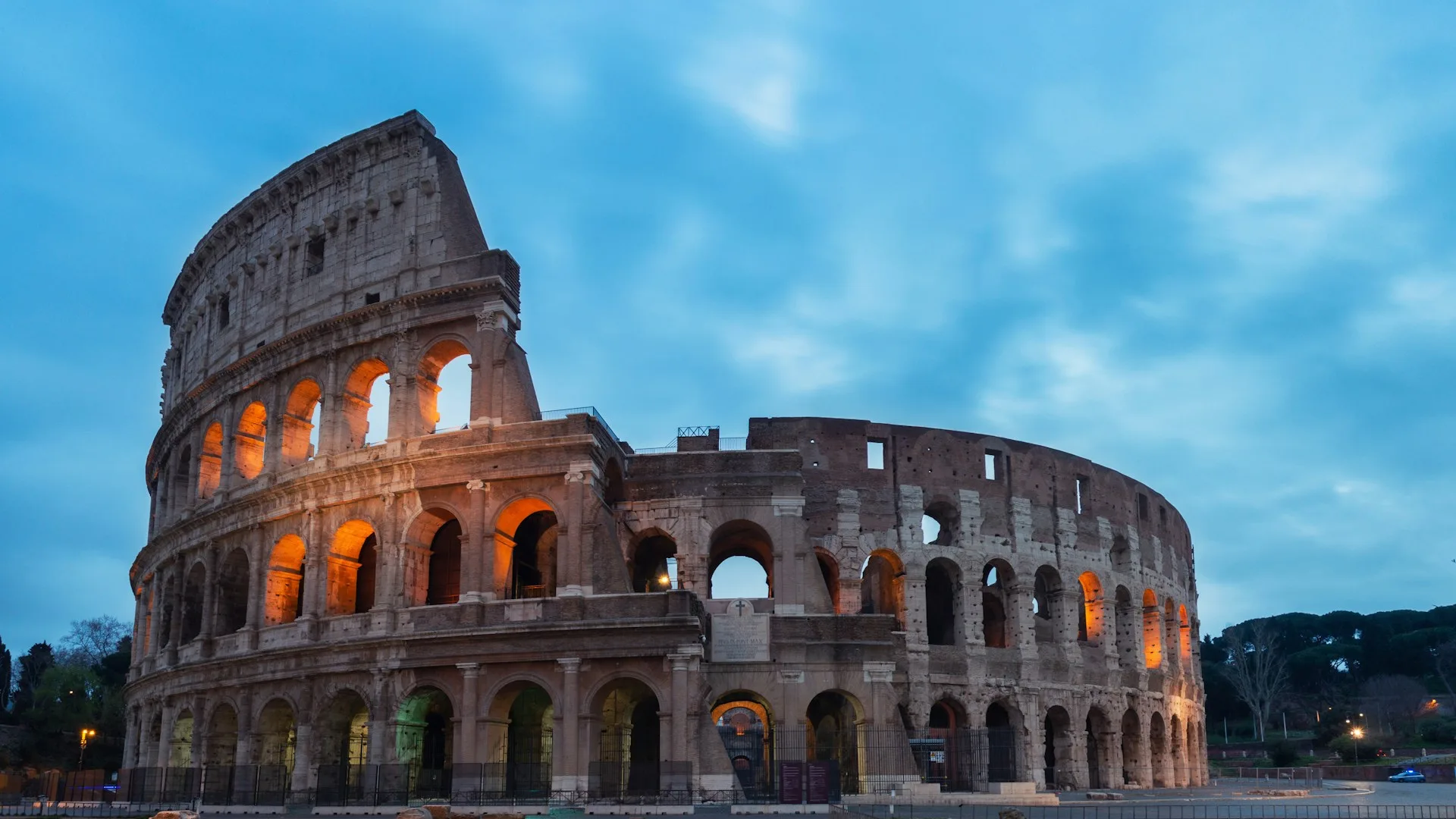
Rome
Rome, Italy's capital, is a city of ancient ruins, vibrant piazzas, and timeless art. Explore its layers of history and lively neighborhoods at every turn.
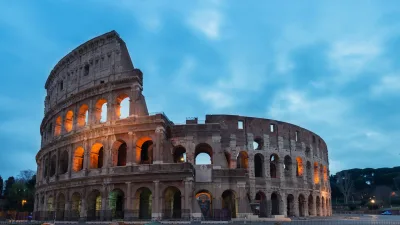
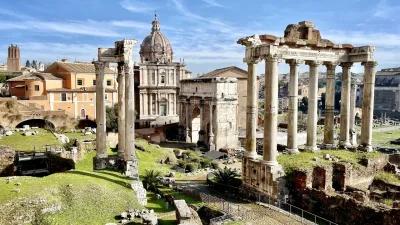
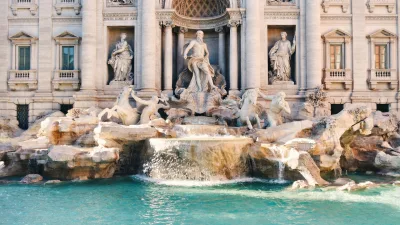
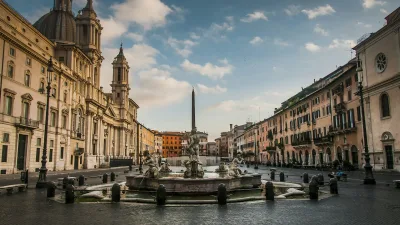
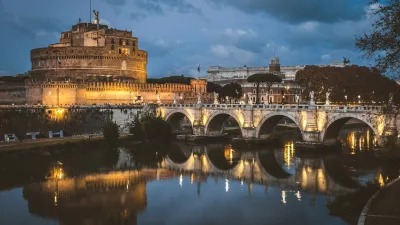
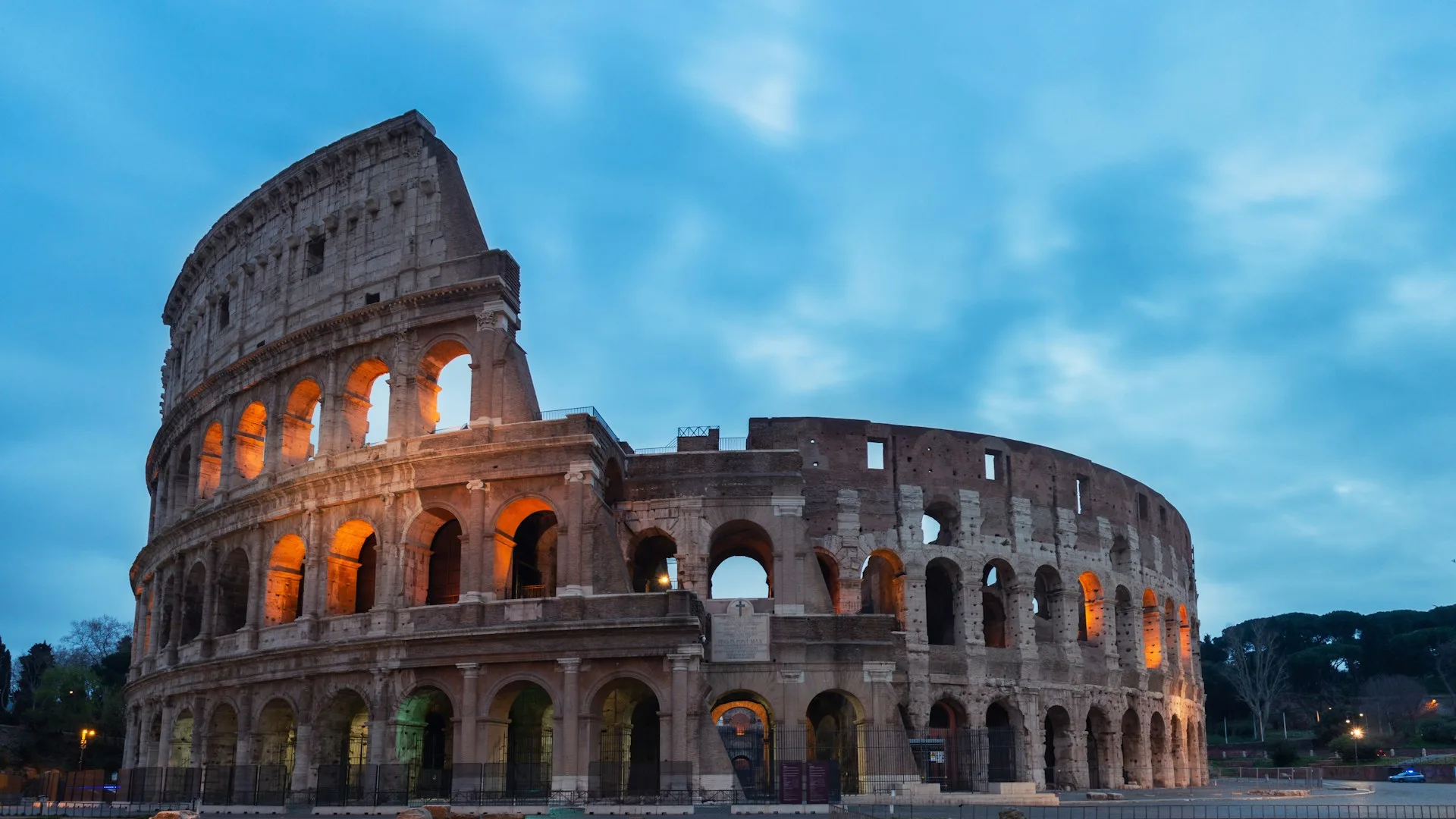
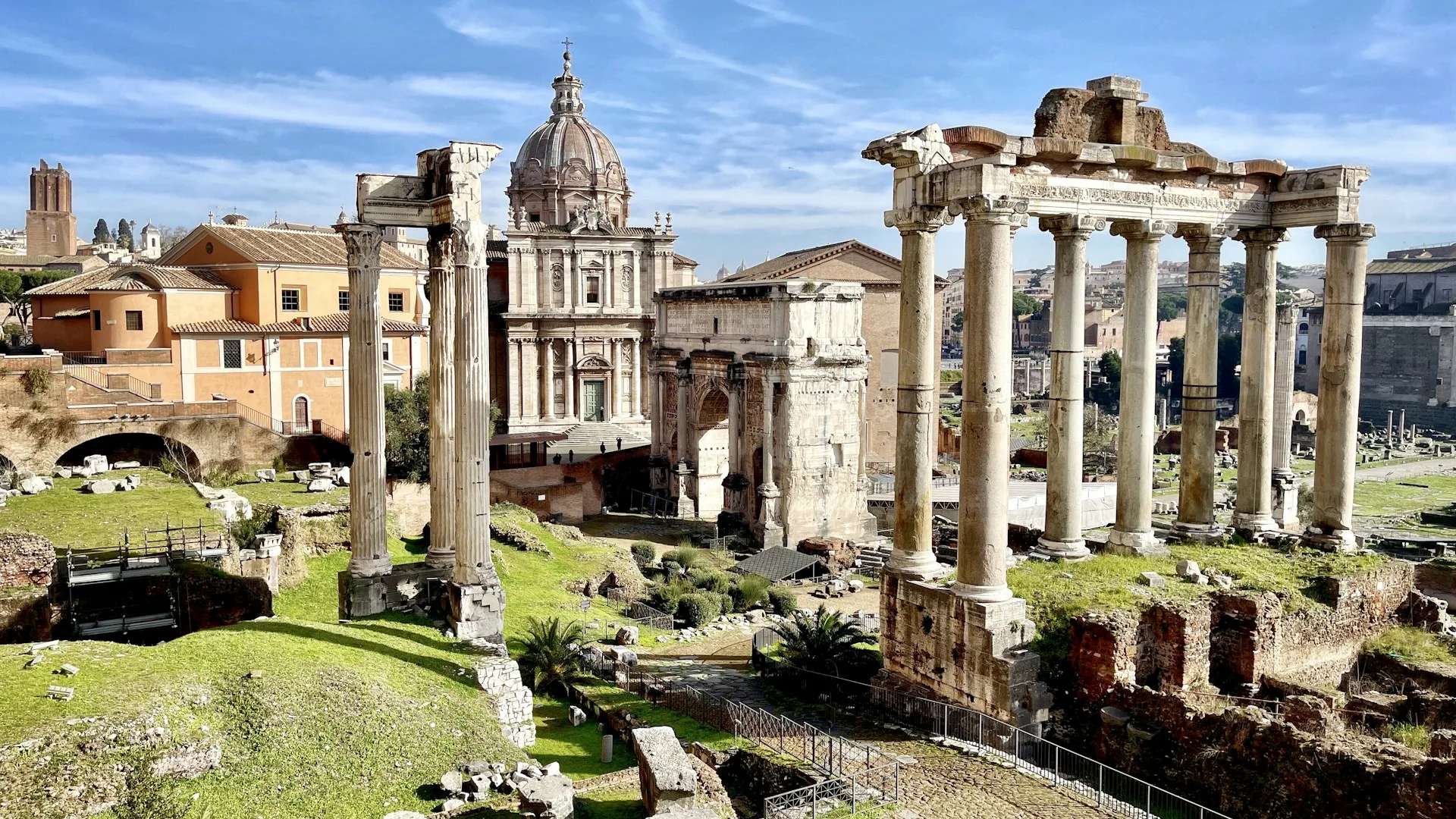
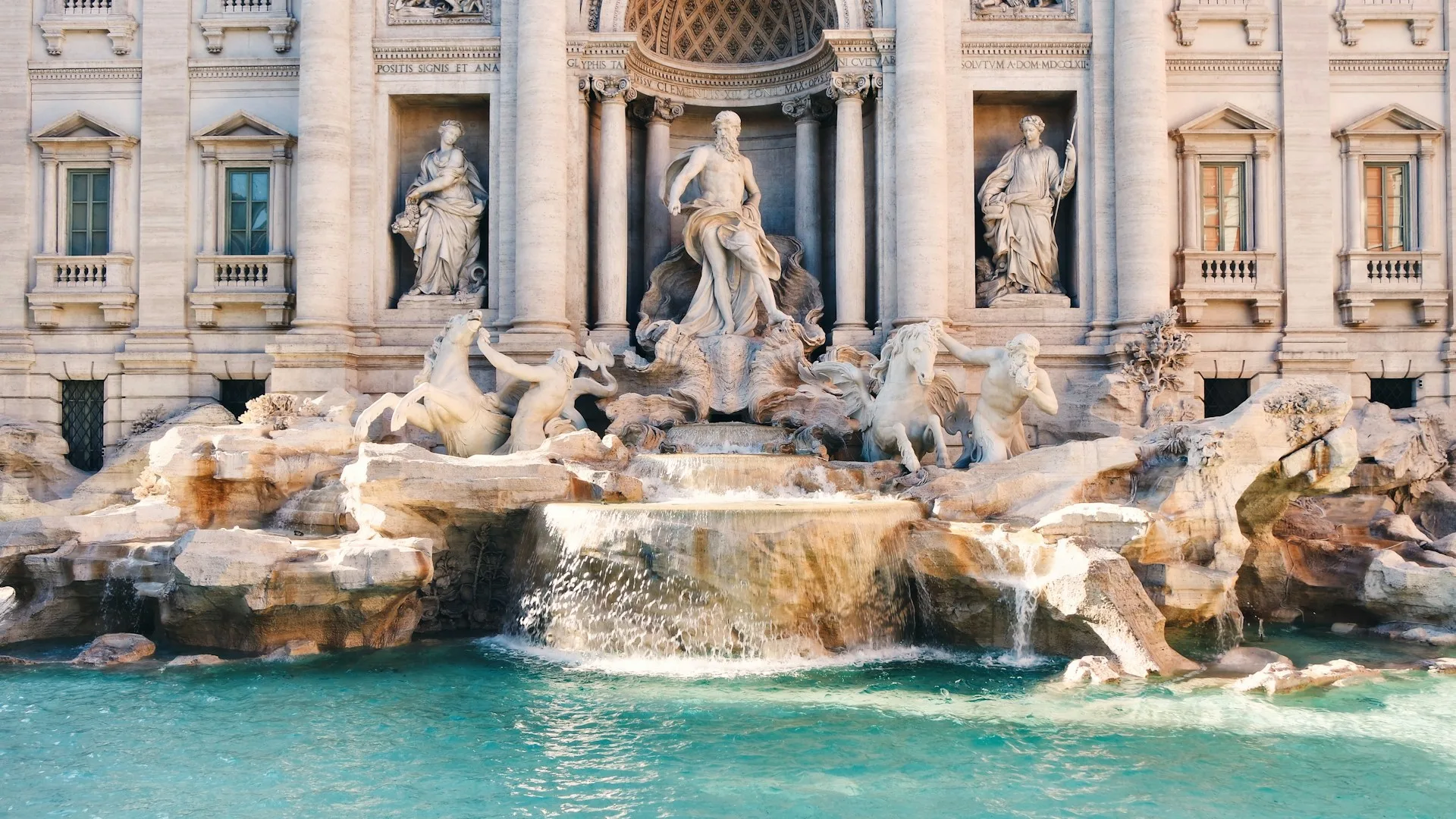
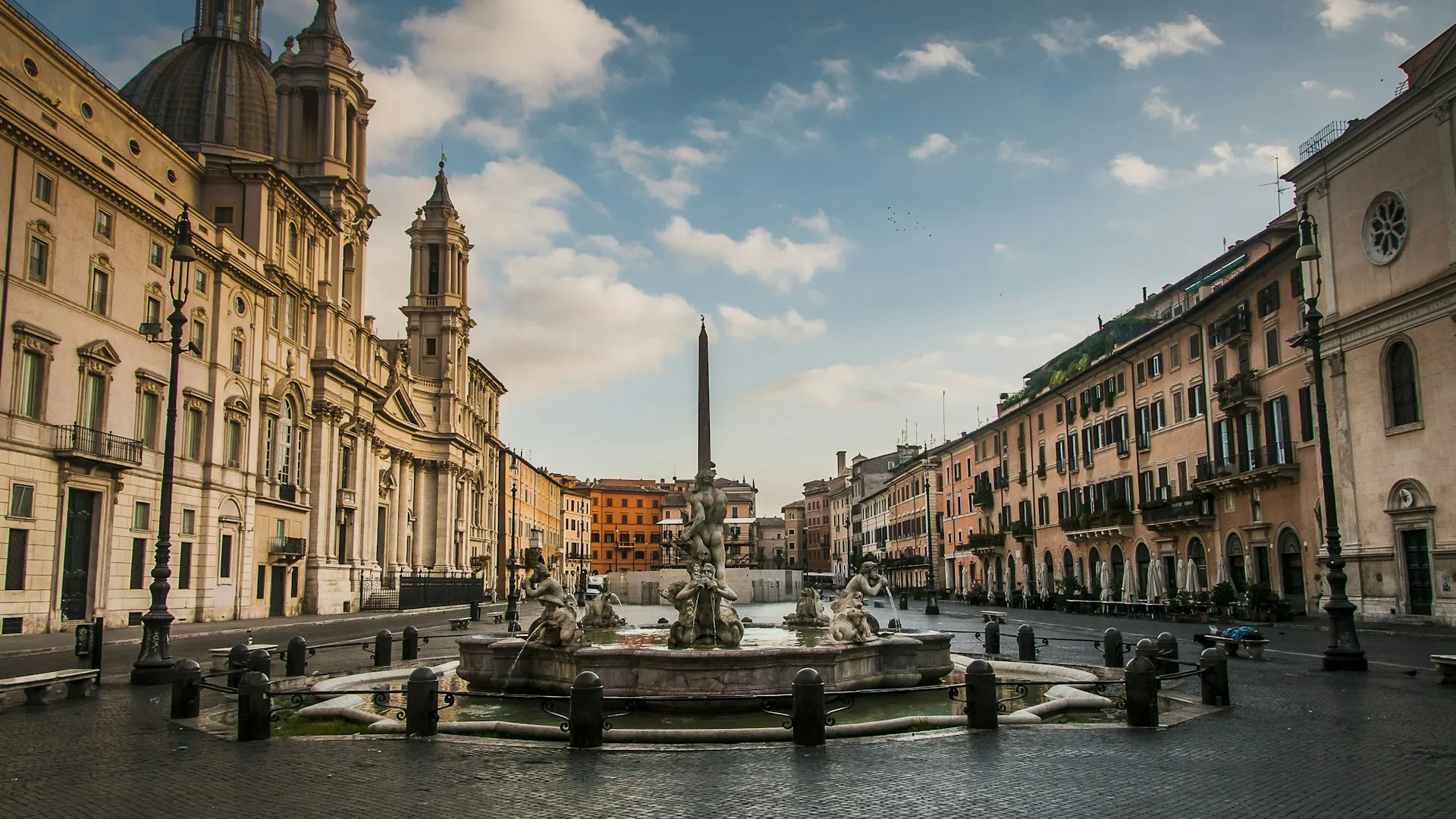
Rome stands as a captivating blend of ancient history and contemporary vibrancy. Walk among the ruins of the Roman Forum, marvel at the engineering of the Colosseum, and toss a coin into the iconic Trevi Fountain. The city’s cobblestone streets wind through lively neighborhoods, each with its own character, from the bohemian Trastevere to the elegant Piazza Navona.
Beyond its famed monuments, Rome offers a thriving culinary scene, bustling markets, and tranquil green spaces like the Villa Borghese Gardens. Whether you’re exploring the Vatican Museums or savoring espresso in a sunlit piazza, Rome invites you to linger and discover its endless layers. For detailed tips and inspiration, check locally for city guide pages such as travel-guide or things-to-do as they become available.
Getting Around Rome
Metro
Rome Metro
Rome’s Metro system (Lines A, B, and C) connects major attractions and neighborhoods. Trains run frequently, but coverage is limited in the historic center.
Bus
ATAC Buses and Trams
Extensive bus and tram networks fill in the gaps where the Metro does not reach. Tickets are valid across buses, trams, and Metro; check locally for current fares and schedules.
walking
On Foot
Many of Rome’s highlights are within walking distance of each other. The city center is best explored by foot, allowing you to discover hidden corners and local life.
Rome Travel Tips
Tips
- Book tickets to popular sites like the Colosseum and Vatican Museums in advance to avoid long queues.
- Carry a reusable water bottle—Rome’s public fountains (nasoni) offer fresh, drinkable water throughout the city.
- Be mindful of pickpockets, especially in crowded areas and on public transportation.
Frequently Asked Questions
How many days should I spend in Rome?
A minimum of three days is recommended to see Rome’s major sights at a comfortable pace. More time allows for deeper exploration of neighborhoods and lesser-known attractions.
What is the best time to visit Rome?
Spring (April–June) and autumn (September–October) offer pleasant weather and fewer crowds. Summers can be hot and busy, while winter is quieter but some attractions may have reduced hours.
Are major attractions within walking distance?
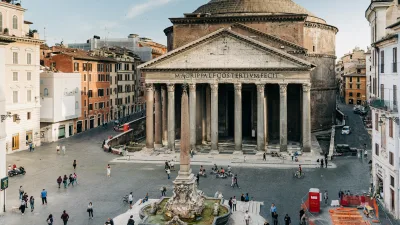
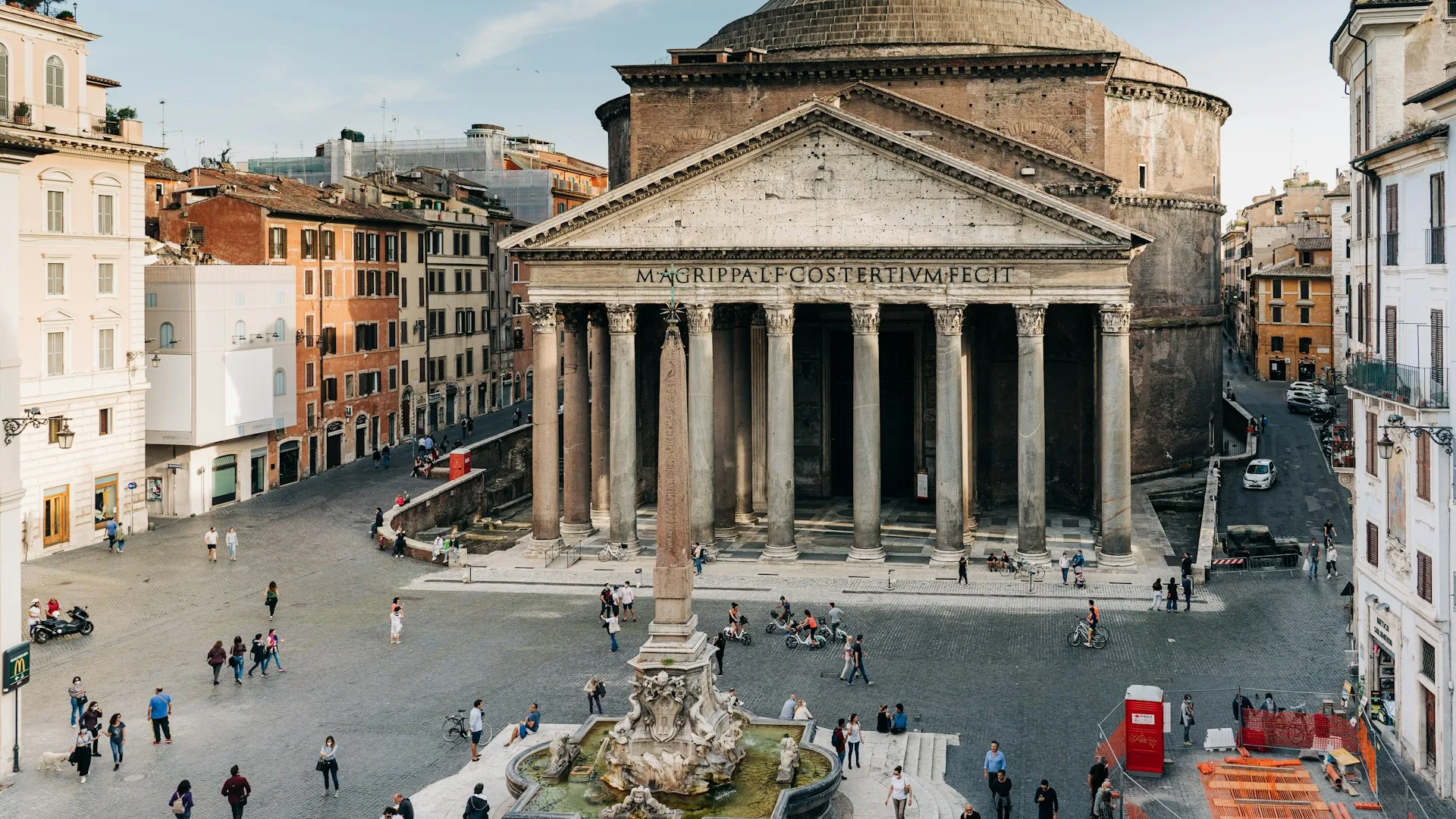
Many top sights, such as the Pantheon, Piazza Navona, and Trevi Fountain, are close together in the historic center. However, sites like the Vatican and Colosseum may require public transport or longer walks.
Rome
More places you may like
Related destinations