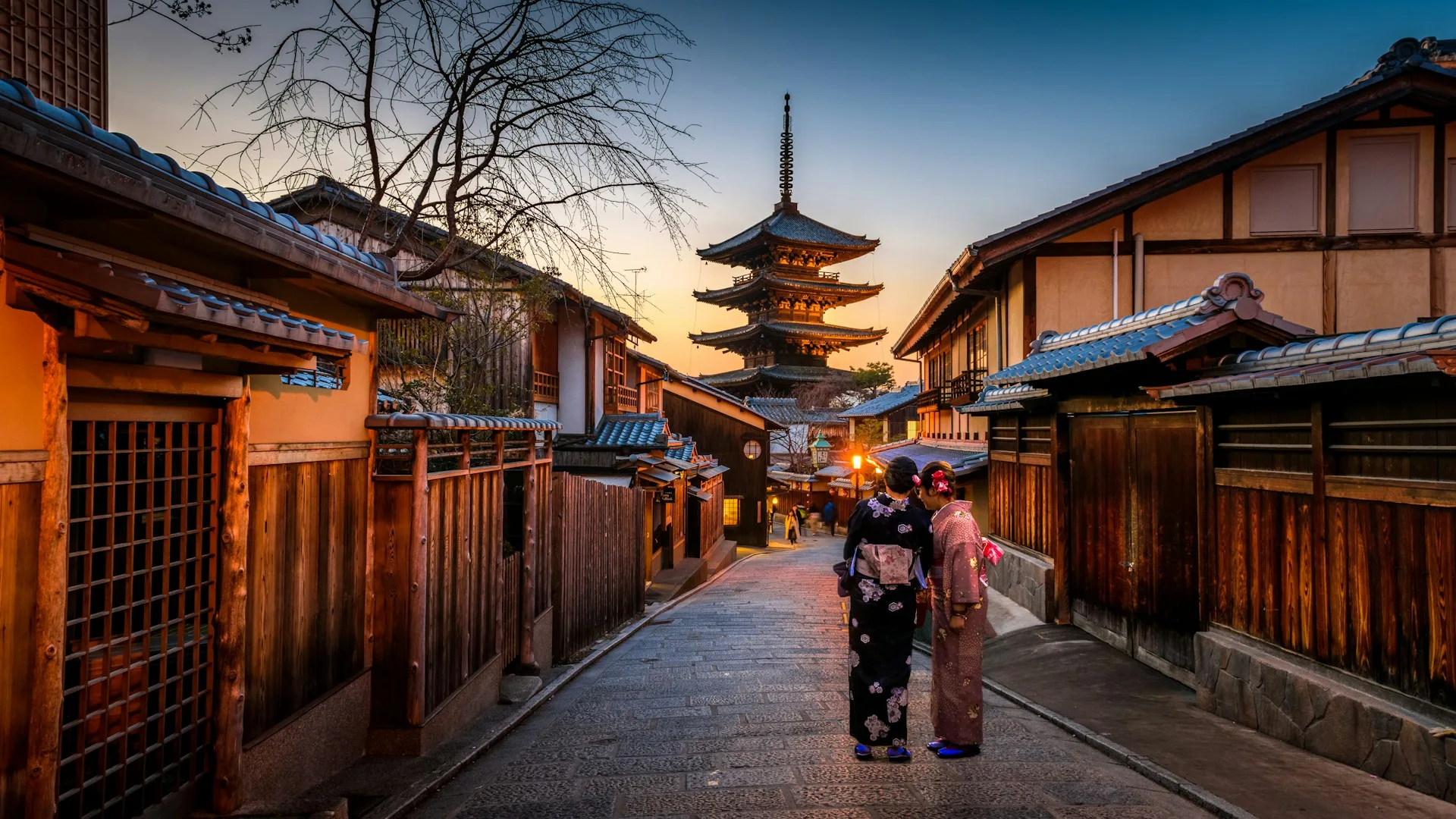
Kyoto
Kyoto, Japan’s ancient capital, is renowned for its centuries-old temples, tranquil gardens, and traditional geisha districts. Discover a city where history and culture blend seamlessly with modern life.
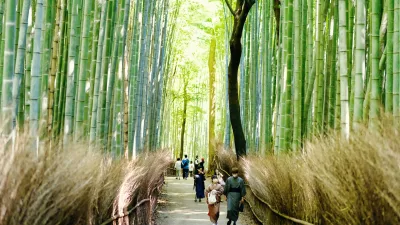
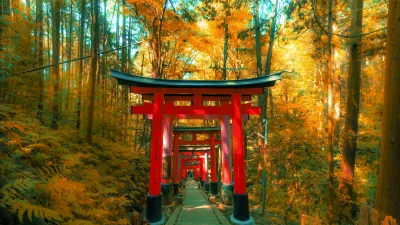
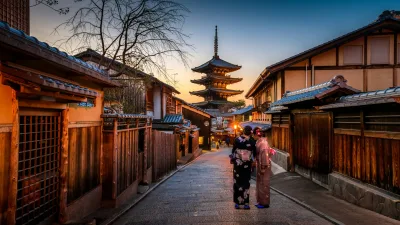
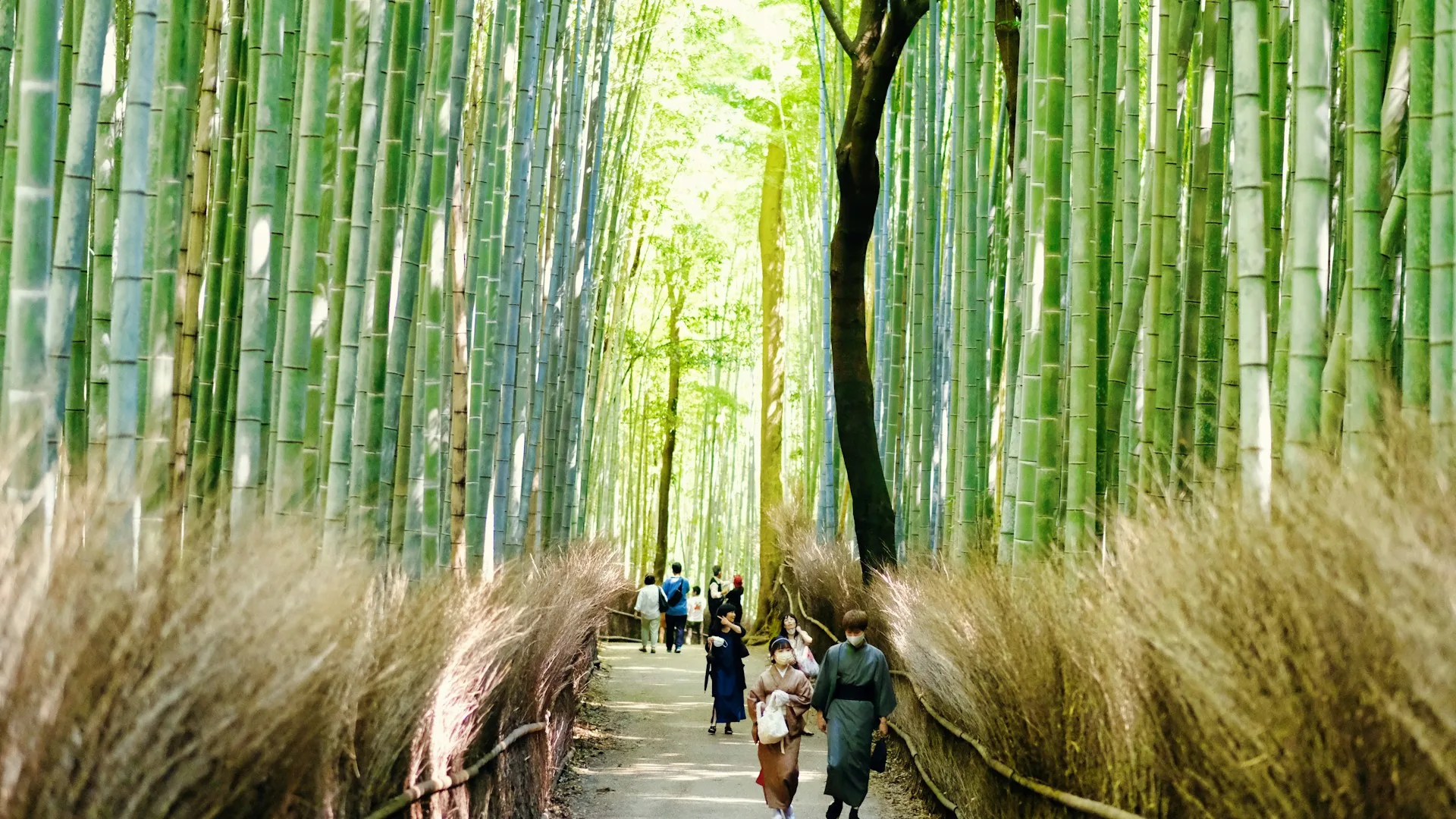
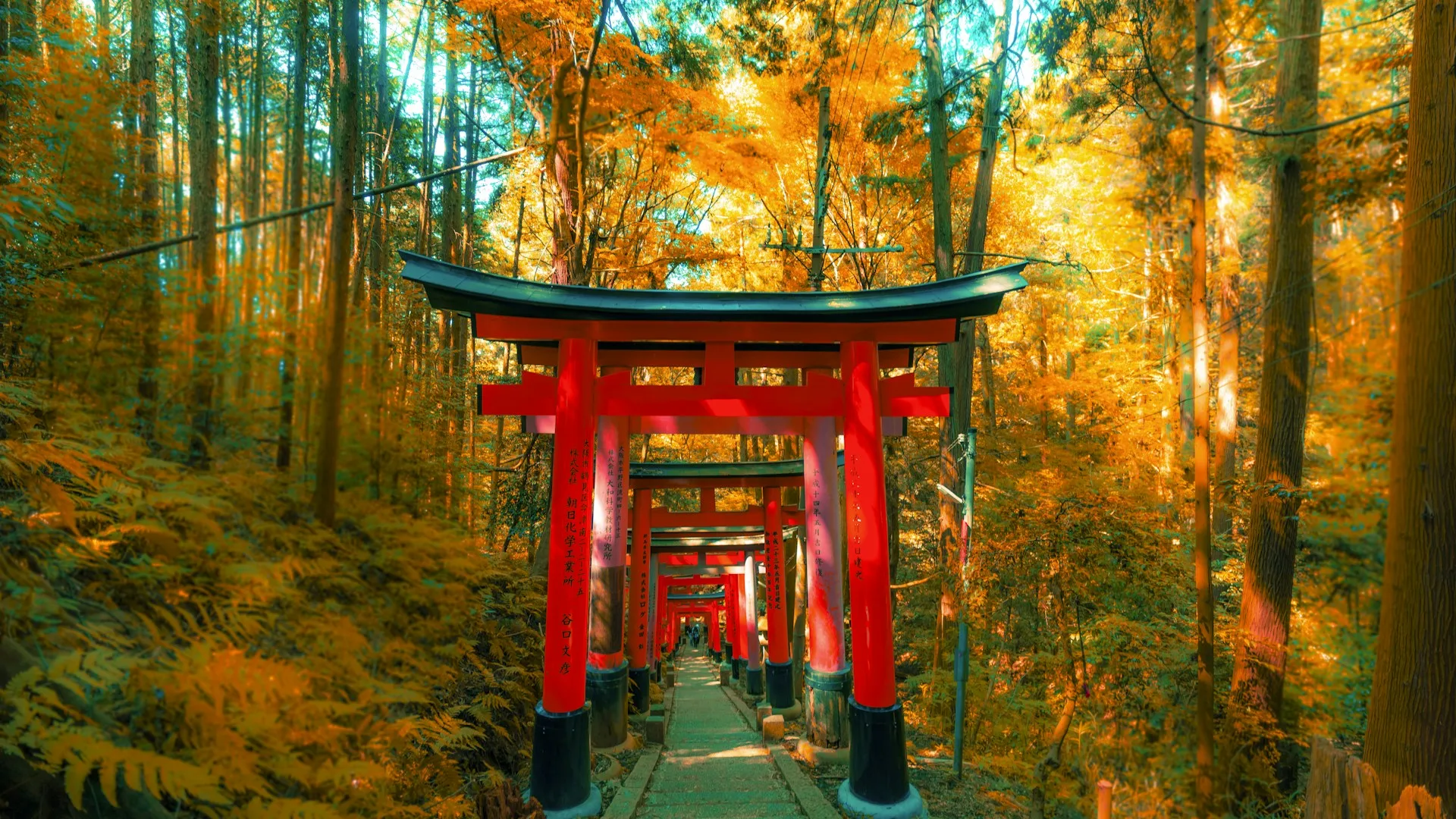
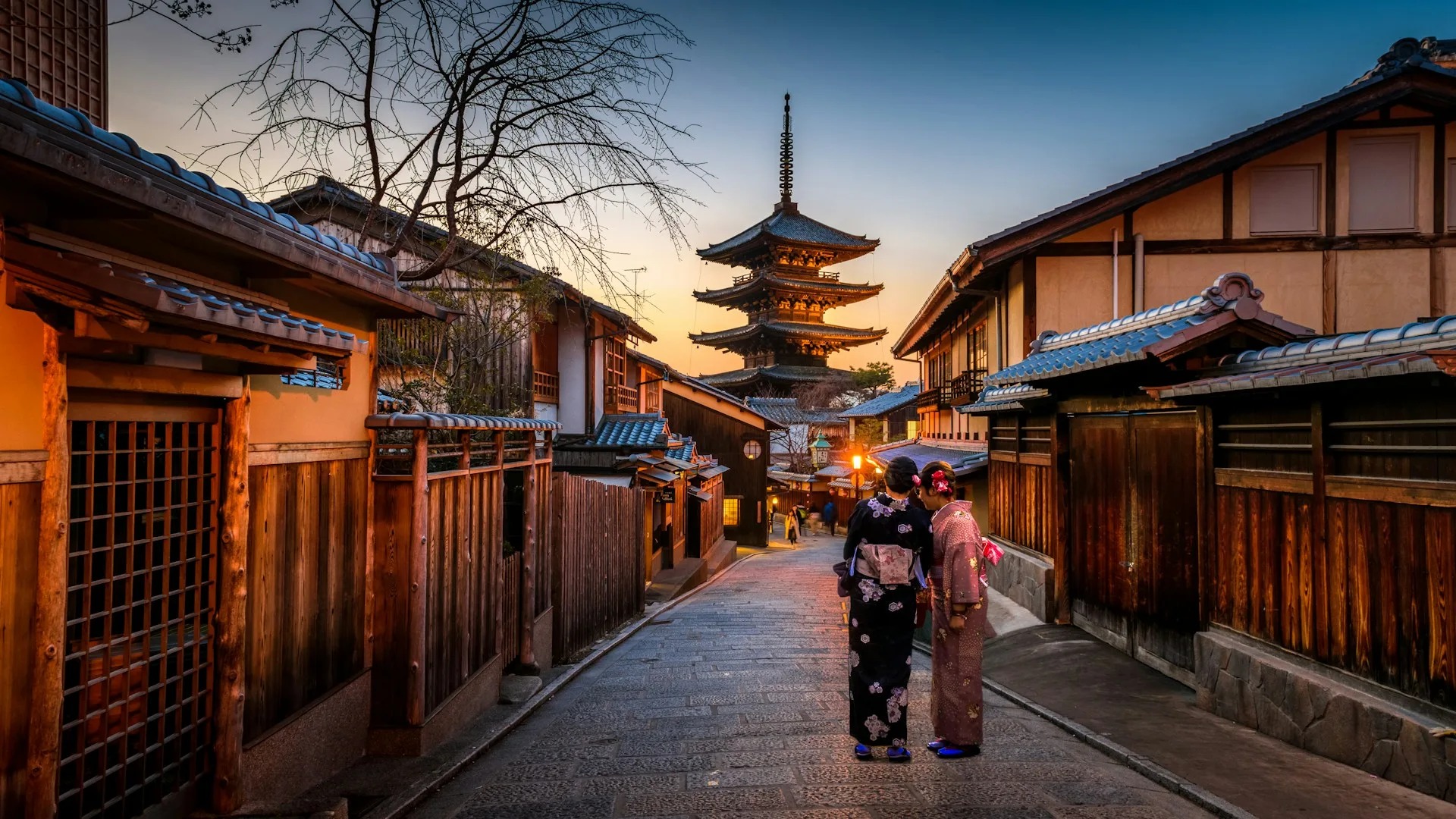
Kyoto stands as the cultural soul of Japan, offering visitors a rare opportunity to step back in time. Once the imperial capital, the city is home to over 1,000 Buddhist temples and Shinto shrines, including the iconic Fushimi Inari Shrine with its famous vermilion torii gates. Stroll through the atmospheric Gion District, where you might spot a geisha or maiko on their way to an evening engagement, or lose yourself in the tranquil beauty of the Arashiyama Bamboo Grove.
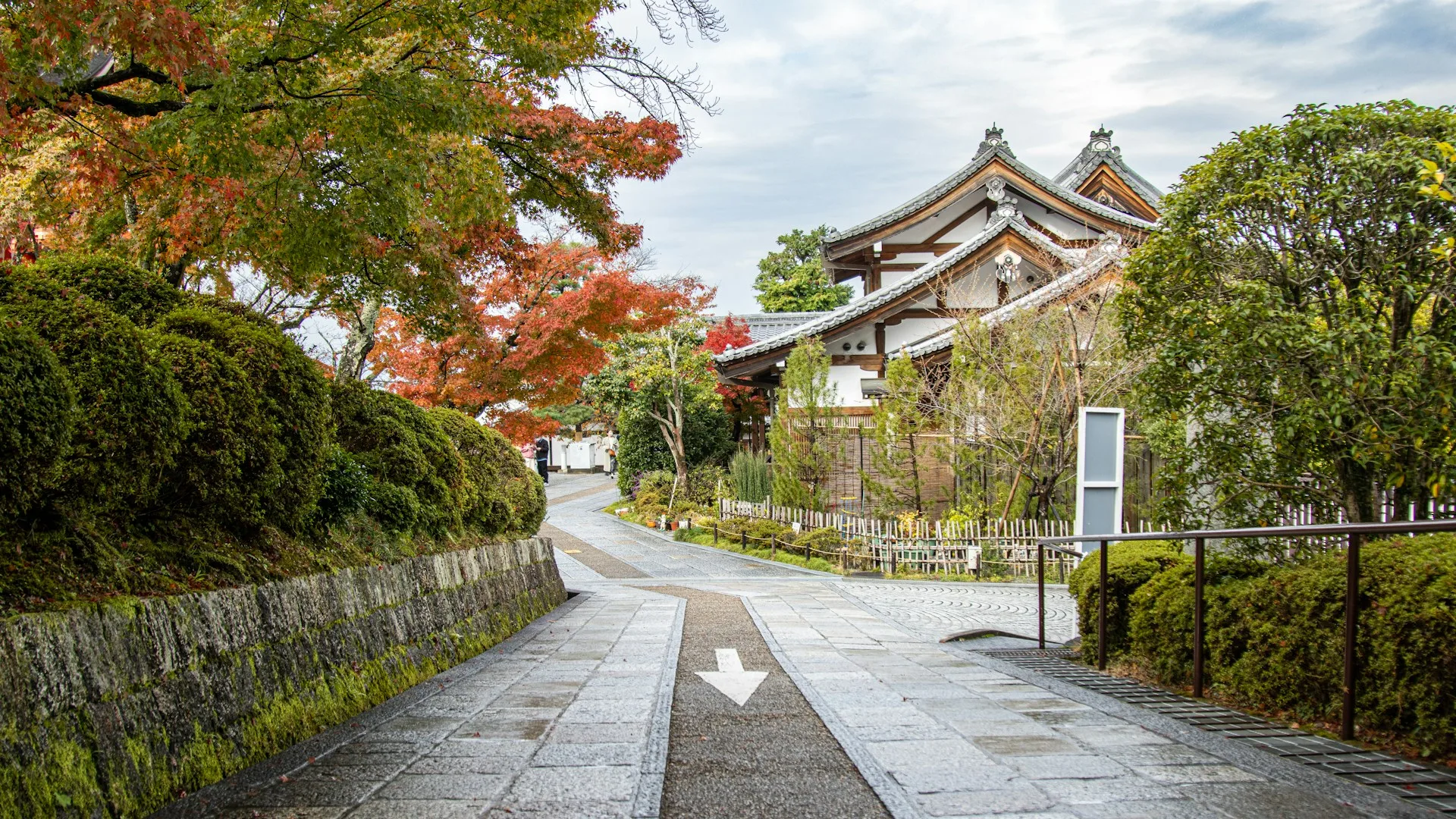
Beyond its historic sites, Kyoto charms with its seasonal beauty—cherry blossoms in spring, vibrant maples in autumn, and peaceful snow-dusted gardens in winter. The city’s culinary scene ranges from traditional kaiseki dining to bustling street food markets. For those seeking deeper exploration, Kyoto’s neighborhoods reveal hidden temples, artisan workshops, and teahouses steeped in centuries-old rituals. Check locally for opening hours and guided experiences, as many attractions offer seasonal or limited access.
Getting Around Kyoto
train
JR and Private Railways
Kyoto Station is the central hub, with JR and private lines connecting to Osaka, Nara, and beyond. Local trains are convenient for reaching outlying districts and major attractions.
Bus
Kyoto City Bus
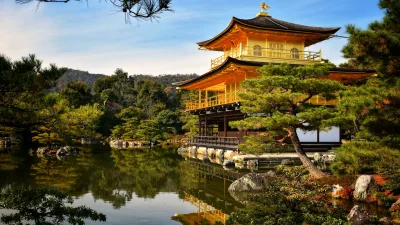
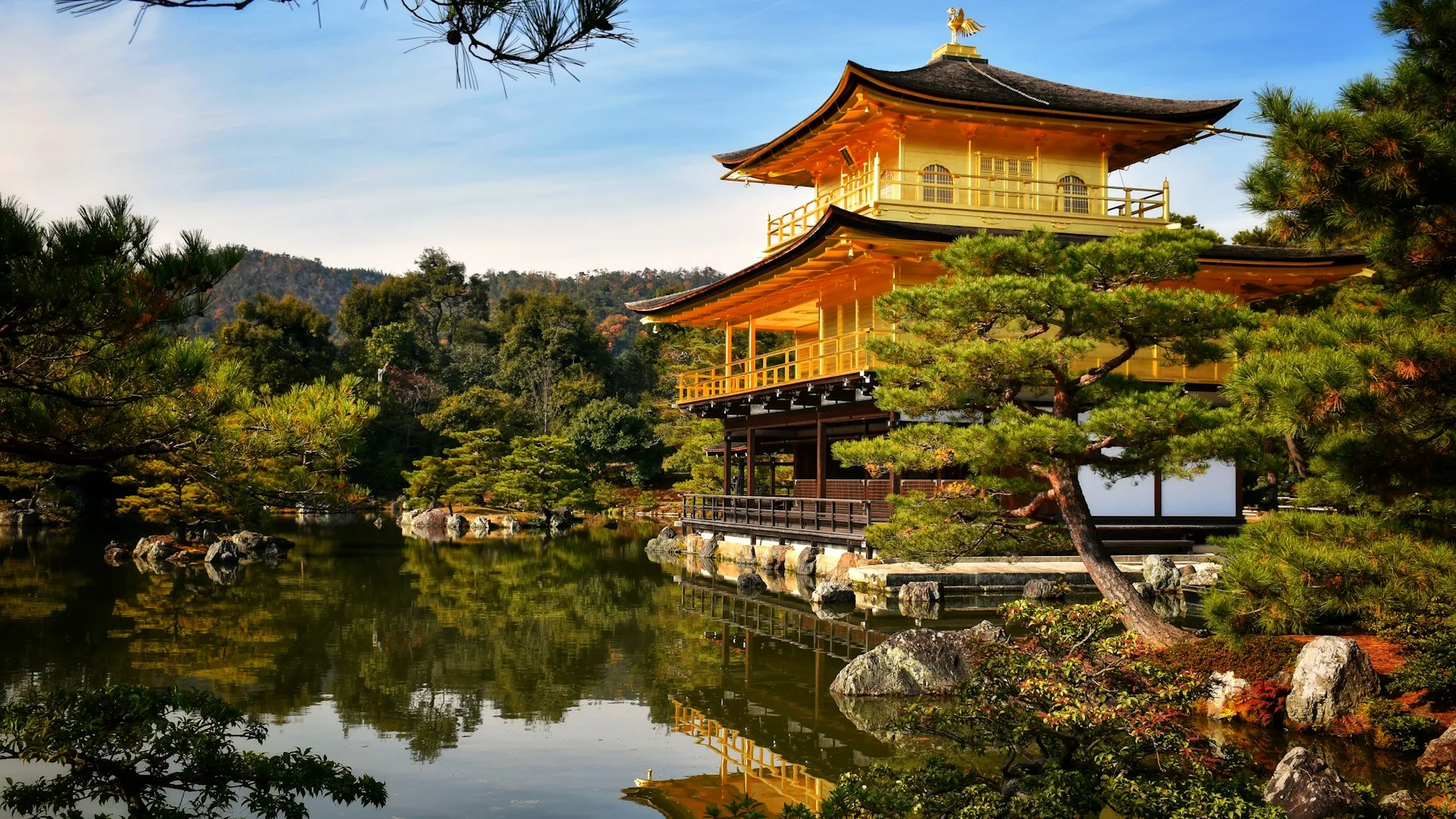
An extensive bus network covers most tourist sites, including Kinkaku-ji, Gion, and Arashiyama. Day passes are available; check locally for current routes and fares.
Metro
Kyoto Subway
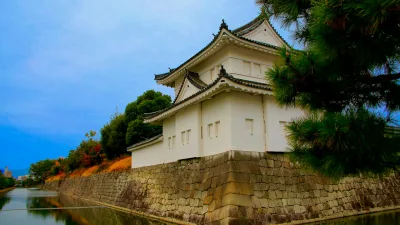
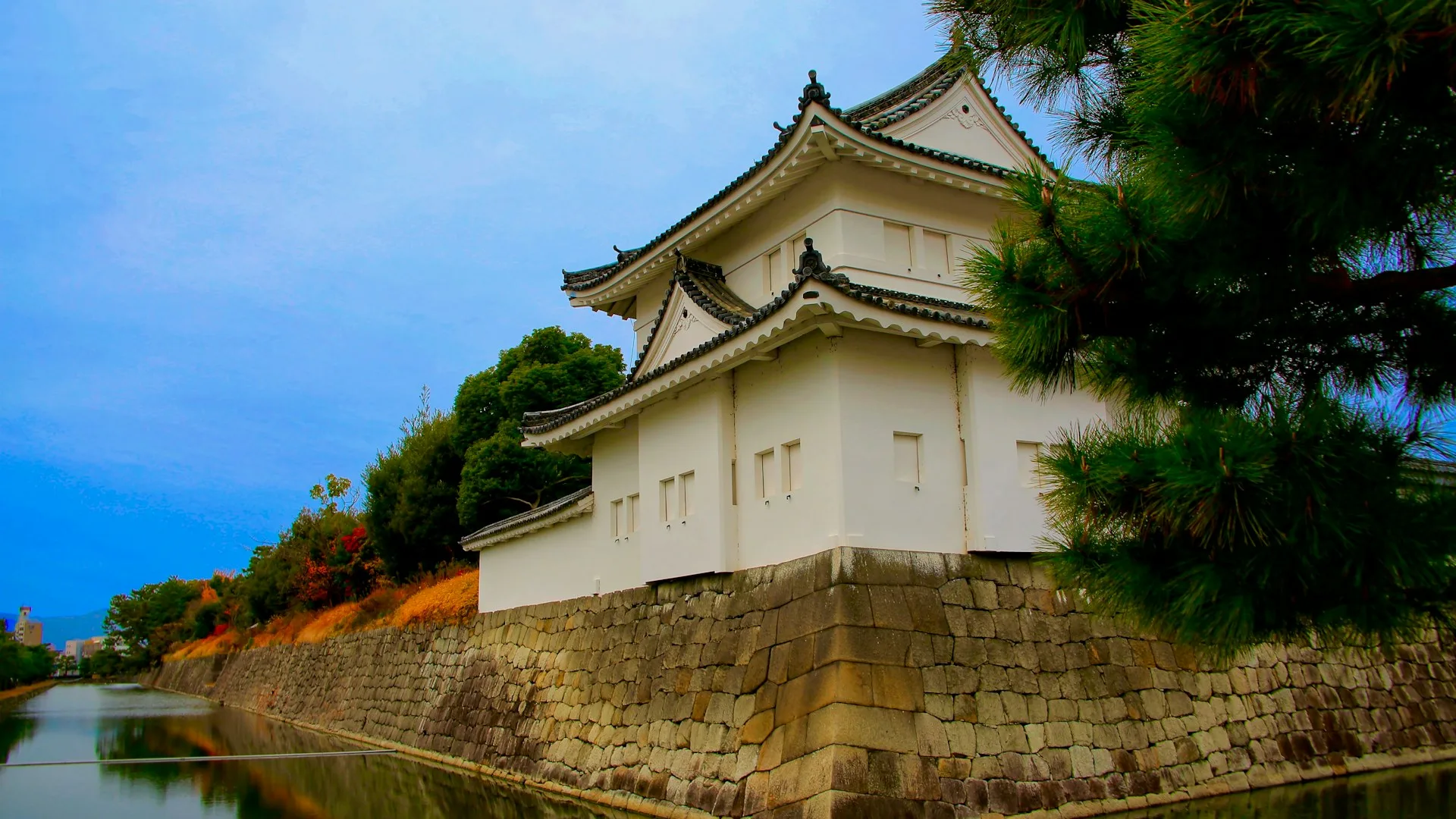
Two subway lines (Karasuma and Tozai) run through central Kyoto, providing quick access to downtown, Nijo Castle, and transfer points to other transport modes.
Insider Tips for Visiting Kyoto
Tips
- Arrive early at popular sites like Fushimi Inari Shrine or Arashiyama Bamboo Grove to avoid crowds and enjoy a quieter experience.
- Many temples and shrines close by 5 PM; plan your sightseeing accordingly and check locally for seasonal variations.
- Consider renting a bicycle for exploring Kyoto’s flat neighborhoods and scenic riverside paths, especially during cherry blossom or autumn foliage seasons.
Frequently Asked Questions
How many days should I spend in Kyoto?
A stay of 2–4 days allows you to experience Kyoto’s highlights, including major temples, gardens, and districts like Gion. Longer stays give you time to explore less-visited neighborhoods and seasonal festivals.
What is the best time of year to visit Kyoto?
Spring (March–April) for cherry blossoms and autumn (November) for colorful foliage are the most popular seasons. Winters are quieter and peaceful, while summers can be hot and humid.
Is Kyoto easy to navigate for non-Japanese speakers?
Most major attractions have English signage, and public transport information is available in English. However, learning a few basic Japanese phrases and using translation apps can enhance your experience.
Kyoto
More places you may like
Related destinations